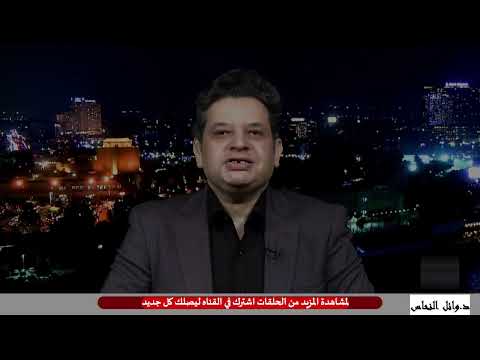
The European Union has agreed to provide Egypt with a €4 billion loan to support its economy, but concerns about the impact on public debt and economic conditions persist. Economic expert Dr. Wael El-Nahas discusses the differences between loans and grants, the conditions attached to the loan, and the skepticism surrounding the government's claims of economic improvement.
The European Union has reached an agreement to provide Egypt with loans totaling €4 billion aimed at supporting its economy and enhancing cooperation under a strategic partnership. This agreement, which allows Cairo a repayment period of up to 35 years, is part of a broader strategic partnership established in March of the previous year.
Dr. Wael El-Nahas, an economic advisor, explains the distinction between these loans and other forms of financial assistance such as grants. Loans from the EU typically come with specific programs and timelines, often carrying moderate to high interest rates depending on the lending institution. In contrast, grants are more flexible and can be utilized over extended periods without the same repayment pressures.
The loans are designed to facilitate economic restructuring and sustainability, focusing on improving the business environment and investment climate in Egypt. They also aim to promote sectors like sustainable development and environmental initiatives.
The loan agreement is divided into two main components. One part will be allocated to agreements with the International Monetary Fund (IMF), which imposes certain conditions that Egypt must meet to access the EU funds. Dr. El-Nahas emphasizes that Egypt is currently under scrutiny from the IMF, which requires adherence to specific economic guidelines before any disbursement of funds can occur.
These conditions include transitioning to a greener economy and ensuring that the country can withstand external shocks. The EU's financial support is also tied to Egypt's role in managing illegal immigration and combating terrorism, highlighting the political dimensions of the agreement.
Despite the government's optimistic statements regarding economic performance over the past nine months, Dr. El-Nahas expresses skepticism. He points out that while the government claims improvements, the reality is that public debt has surged by approximately 33%. The increase in debt raises questions about the sustainability of the economic recovery being touted by officials.
The expert critiques the government's reliance on loans to generate revenue, arguing that without these loans, the state would struggle to maintain its financial obligations. He highlights that the reported increases in spending on health, education, and social programs do not adequately reflect the economic hardships faced by citizens, especially given the significant depreciation of the Egyptian pound against the dollar.
Dr. El-Nahas notes a significant disconnect between the government's reported economic indicators and the lived experiences of ordinary citizens. While officials may celebrate historical tax revenue collections, the reality is that these figures are largely driven by increased borrowing rather than genuine economic growth.
He argues that the government’s narrative is more about appeasing international lenders than addressing the pressing needs of the population. The expert calls for a more realistic approach to economic management, emphasizing the need for genuine production and manufacturing rather than relying on superficial metrics that do not translate into improved living conditions for citizens.
In summary, while the EU's loan agreement with Egypt represents a significant financial commitment, the implications for public debt and economic stability are concerning. Dr. Wael El-Nahas urges a reevaluation of the economic strategies in place, advocating for a focus on sustainable growth and genuine improvements in the quality of life for Egyptians. The ongoing dialogue between the government and its citizens must prioritize transparency and accountability to foster a more resilient economy.