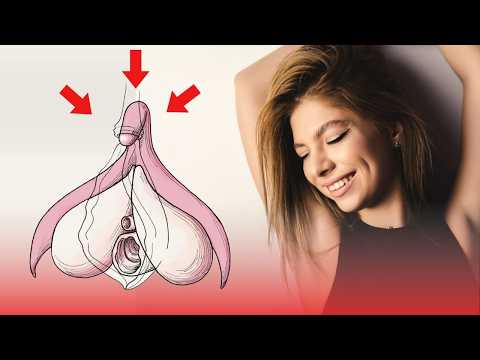
This article explains the three distinct openings in the female pelvic region—the anus, urethral opening, and vaginal opening—clarifying their separate functions. It debunks the myth that the female body is sealed or closed off, especially addressing misconceptions about the hymen and vaginal opening. Understanding this anatomy is crucial for health awareness and empowerment.
The female anatomy is fundamental to human biology, yet it is often surrounded by myths and misunderstandings. One common area of confusion is the number and function of the openings in the female pelvic region. This article aims to cut through the confusion and provide clear, straightforward facts about female anatomy.
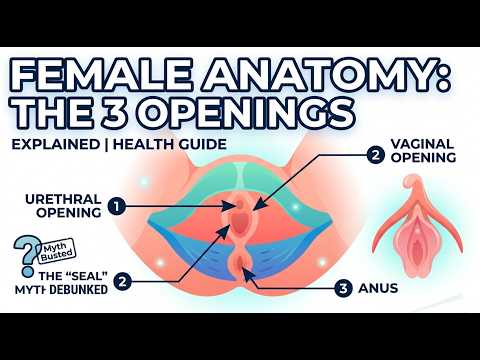
It might seem like a simple question, but many people are unsure about the answer. The truth is that there are three separate openings in the female pelvic region, each with its own specific and important function. These openings are:
Each opening is distinct and serves a different purpose.
A major source of confusion comes from the misuse of terms. The word "vagina" is often used to describe everything "down there," but anatomically, the vagina is an internal muscular canal. The external parts visible are collectively called the vulva.
Within the vulva, two of the three openings are located:
The anus is separate and located further back.
A widespread myth is that the female body is completely sealed or closed off, especially before sexual intercourse. This idea is anatomically incorrect. There is no seal or lid covering the vaginal opening.
This myth often stems from misconceptions about the hymen. The hymen is not a seal but a thin fringe of tissue around the vaginal opening. It naturally has an opening and is not meant to cover the entire vaginal entrance.
The hymen can stretch or tear for many reasons unrelated to sex, such as gymnastics, dancing, horseback riding, or other physical activities. Sometimes it tears during intercourse, but sometimes it does not. The state of the hymen does not indicate anything about a person's sexual activity or purity.
Understanding the anatomy is not just trivia; it is vital for health. A completely blocked vaginal opening is not normal and represents a medical condition that requires attention.
In rare cases, a person may be born with an imperforate hymen, where the tissue blocks the vaginal opening entirely. When menstruation begins, blood cannot exit the body, causing pain and other complications. This condition requires a minor surgical procedure to create an opening.
This example highlights that having an open vaginal passage is medically necessary for normal bodily functions.
Knowing the correct anatomy helps individuals understand what is normal, recognize when something might be wrong, and feel confident advocating for their health.
Clearing up the confusion about the three openings in the female pelvic region and debunking myths about the hymen and vaginal opening is essential. It encourages curiosity and critical thinking about other health misconceptions. Understanding our bodies is empowering and crucial for maintaining good health.