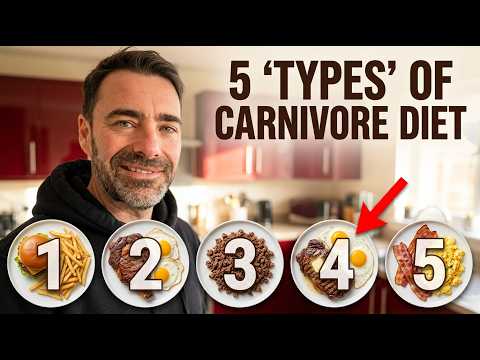
The carnivore diet has various forms, each suited for different goals such as weight loss, mental health, or autoimmune healing. This article explores five types: dirty carnivore, basic BBBE carnivore, lion diet, carnivore for healing with deep ketosis, and maintenance carnivore. The author shares personal experience switching to a healing-focused carnivore diet emphasizing deep therapeutic ketosis through intermittent fasting.
Did you know there are at least five types of carnivore diet? Over the last three years of eating what I consider a proper human diet, I have experimented with multiple types of carnivore diets. Recently, I switched to a specific type that has been a game-changer for me, and I want to share these five types with you and explain why this matters.
In the carnivore community, there is often a binary way of thinking: you are either carnivore or not. This black-or-white perspective is problematic because people adopt the carnivore diet for very specific reasons, such as mental health improvement, weight loss, or autoimmune disorder management. Choosing the wrong type of carnivore diet might prevent them from achieving their desired results.
Dirty carnivore is the most basic form. It typically includes beef, butter, bacon, eggs, and sometimes plants or vegetables, with occasional cheats like birthday treats. While this approach is better than the standard diet for most people, it may not be ideal for those seeking healing or weight loss.
The main caution with dirty carnivore is that it may stall weight loss and prevent overcoming food addiction. Because you are not fully in ketosis, frequent snacks or treats kick you out of fat-burning mode. Additionally, sugar and carbs feed harmful gut bacteria, hindering gut healing.
This traditional carnivore diet consists of beef, butter, bacon, and eggs only. You eat until comfortably full without tracking ketones or glucose. This approach is natural and easy and was my primary method for most of my journey.
However, some people fall into routines that prevent them from reaching their goals. For example, eating chicken breast six times a day, even if clean carnivore, can prevent deep ketosis and healing due to frequent insulin responses.
The lion diet is stricter: only ruminant meat (like beef), salt, and water. No butter, bacon, eggs, or other animal products. I have done this diet for 30 to 60 days and felt incredible.
Ruminant animals have a multi-chamber digestive system that filters out many pesticides and chemicals from their feed, resulting in cleaner meat. In contrast, monogastric animals like chickens can accumulate more pesticides in their meat, which may upset people with serious health issues such as autoimmune disorders.
This is the type I recently switched to and the most important for healing. Many people underestimate their health issues; even if not diagnosed, they may have fatty liver, damaged mitochondria, inflammation, and insulin resistance, which are precursors to serious diseases.
Deep therapeutic ketosis is crucial for healing conditions like cancer, seizures, depression, bipolar disorder, and schizophrenia. Achieving this state often involves adjusting fat and protein intake and incorporating intermittent fasting.
I personally achieve deep ketosis through OMAD (one meal a day) with a 23-hour fasting window. Tracking ketones, I maintain levels of 3 mmol/L or above, which is considered deep therapeutic ketosis. This approach has improved my mental health, energy, and overall well-being.
It's important to note that the optimal approach varies per individual. Some may need higher fat intake; others may benefit more from intermittent fasting and exercise. Stress and sleep also impact ketosis. Consulting a metabolic health professional can help tailor the diet to your needs.
Maintenance carnivore is for those who have found healing and continue eating mostly carnivore because they feel better. They might occasionally eat some berries or vegetables seasonally but generally stick to animal products.
I personally have chosen not to enter maintenance mode because carnivore saved my life and resolved my depression. I feel satiated and energetic on my current regimen and see no reason to change.
The carnivore diet is not a one-size-fits-all approach. Your version of carnivore should depend on your health goals and where you are in your journey. I encourage you to experiment and find what works best for you.
For me, switching to carnivore for healing with deep therapeutic ketosis has been transformative. I feel better mentally and physically than ever before.
What type of carnivore diet are you doing? Do you feel better on one versus the others? Share your experiences and thoughts.
Remember, healing is a journey, and your diet may evolve over time. Stay curious and listen to your body.
Thank you for reading!