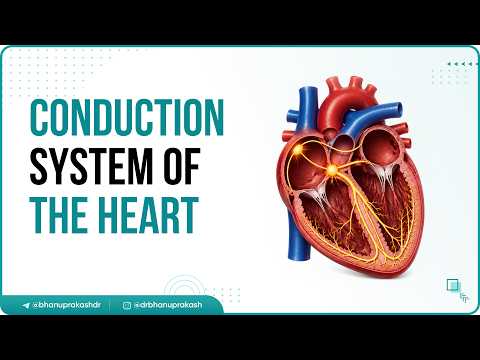
The conducting system of the heart is crucial for initiating and conducting cardiac impulses. It consists of the sinoatrial node, atrioventricular node, bundle of His, and Purkinje fibers. Each component plays a vital role in maintaining the heart's rhythm and ensuring efficient blood flow. Defects in this system can lead to arrhythmias, highlighting the importance of understanding its function and structure.
The heart's conducting system is a complex network responsible for initiating and conducting electrical impulses that trigger heartbeats. This system is essential for maintaining the heart's rhythm and ensuring efficient blood flow throughout the body. In this blog post, we will explore the key components of the conducting system, their functions, and the implications of defects within this system.
The conducting system of the heart consists of five main components:
The sinoatrial node, often referred to as the node of Keith and Flack, is a small, horseshoe-shaped mass of specialized myocardial fibers located in the wall of the right atrium. It is situated in the upper part of the sulcus terminalis, just below the opening of the superior vena cava. The SA node is known as the heart's natural pacemaker because it generates electrical impulses at a rate of approximately 70 beats per minute, initiating the contraction of cardiac muscle and producing a heartbeat.
The atrioventricular node, also known as the node of Tawara, is smaller than the SA node and is located in the lower part of the atrial septum, just above the attachment of the septal cusps of the tricuspid valve and the opening of the coronary sinus. The AV node plays a critical role in conducting the cardiac impulse to the ventricles via the atrioventricular bundle. It can generate impulses at a rate of about 60 beats per minute. The conduction speed through the AV node is approximately 0.11 seconds, allowing sufficient time for the atria to empty their blood into the ventricles before ventricular contraction begins.
The atrioventricular bundle, or Bundle of His, begins at the AV node and crosses the AV ring, running along the inferior part of the membranous interventricular septum. It divides into the right and left branches, serving as the only pathway for conducting impulses from the atria to the ventricles due to the fibrous skeleton of the heart, which separates the atrial and ventricular muscles.
The right branch of the Bundle of His descends along the right side of the interventricular septum and becomes subendocardial on that side. A significant portion continues into the septum marginal trabecula to reach the anterior papillary muscle and the anterior wall of the ventricle. Its Purkinje fibers then spread out beneath the endocardium.
The left branch descends on the left side of the ventricular septum and divides into Purkinje fibers that are distributed to the septum and the left ventricle.
Purkinje fibers are the terminal branches of the right and left branches of the Bundle of His. They spread subendocardially over the septum and the rest of the ventricular wall, facilitating the rapid conduction of impulses throughout the ventricles, ensuring coordinated contraction.
The conducting system operates as follows:
The entire conducting system is primarily supplied by the right coronary artery, with the exception of a portion of the left branch of the AV bundle, which receives blood supply from the left coronary artery. This blood supply is crucial for the proper functioning of the conducting system.
Defects or damage to the conducting system can lead to various cardiac arrhythmias. The SA node serves as the primary source of cardiac impulses, while the AV node transmits these impulses to the ventricles through the AV bundle. If the AV bundle fails to conduct normal impulses, it can result in altered rhythmic contractions of the ventricles, known as arrhythmias.
In cases of complete bundle block, there is a complete dissociation in the contraction rates of the atria and ventricles. One common cause of defective conduction through the AV bundle is atherosclerosis of the coronary arteries, which reduces blood supply to the conducting system.
It is important to understand some terminology related to heart rhythms:
The conducting system of the heart is a vital component that ensures the heart beats in a coordinated and efficient manner. Understanding its structure and function is essential for recognizing the implications of any defects that may arise. By maintaining a healthy cardiovascular system, we can support the proper functioning of this intricate network, ultimately promoting overall heart health.