This article explores the gap between male assumptions and female sexual satisfaction, emphasizing the importance of understanding female anatomy, particularly the clitoris, and the role of emotional connection. It highlights research-backed techniques such as adequate foreplay, oral and manual stimulation, and the necessity of consistent rhythm and communication for genuine female satisfaction.
Every man who has ever wanted to genuinely satisfy his partner has often been working from an incomplete manual. This is not due to a lack of effort or desire but because the most important chapter—grounded in actual female anatomy, neuroscience, and clinical research—has never been written or shared openly. Society has traditionally handed men a narrative focused on performance and penetration, a version of sex that primarily serves male anatomy, leading to widespread dissatisfaction among women.
Research shows a significant orgasm gap between heterosexual men and women. A study involving over 52,000 adults found that heterosexual women orgasm during sex approximately 65% of the time, while men report 95%. This 30% gap is not due to differences in desire or capability but rather differences in technique, particularly the overemphasis on penetration and underestimation of clitoral stimulation.
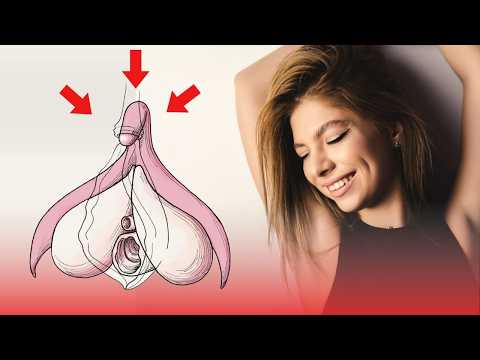
The clitoris is often misunderstood as a small external button, but landmark research by Dr. Helen O'Connell and others revealed it is an extensive internal structure averaging about 10 cm in length. It includes two internal legs (crura) extending alongside the vaginal opening and vestibular bulbs of erectile tissue surrounding the vaginal canal. The visible external glans is just the tip of this complex.
During arousal, the entire clitoral complex becomes engorged with blood, including internal parts. This explains why the position, angle, and type of stimulation during penetration can significantly affect a woman's experience. However, penetration alone rarely stimulates the clitoris sufficiently to produce orgasm for most women.
Contrary to popular belief, penetration is not the primary event of sex for most women. Research indicates only about 18% of women reliably orgasm through penetration alone. Around 36% require clitoral stimulation alongside penetration, and many find direct clitoral stimulation without penetration to be the most reliable route to orgasm.
Treating penetration as the main event is the most common and consequential technique error men make. Understanding and adapting to this reality leads to genuine, consistent satisfaction.
Emotional connection, psychological safety, and feeling genuinely desired are prerequisites for female arousal, not just additions. Dr. Rosemary Basson's research on the non-linear model of female sexual response shows that desire often emerges from the right emotional and relational conditions.
Stress and elevated cortisol levels suppress neurological and vascular processes necessary for arousal. Therefore, emotional context is foundational to physical technique. Genuine presence, warmth, and absence of pressure create a receptive nervous system, enabling effective arousal.
Foreplay is essential, not preliminary. Female arousal involves blood engorgement in the clitoral complex and vaginal tissues, which takes time—often 15 to 20 minutes or more of non-genital arousal such as kissing, touching, and verbal intimacy.
Investing time and attention in whole-body arousal before genital stimulation leads to more effective and pleasurable experiences. Rushing to genital contact often results in premature and uncomfortable sensations.
Oral stimulation of the clitoris is the technique most reliably associated with female orgasm. Studies show women receiving oral stimulation during their last sexual encounter are significantly more likely to have orgasmed.
Effective oral technique involves patience and indirect stimulation. Starting with gentle contact on surrounding tissues like the labia, inner thighs, and perineum increases blood flow and sensitivity before approaching the clitoris. Initial contact should be through the clitoral hood rather than directly on the glands to avoid overstimulation.
As arousal builds, stimulation can become more direct and focused. Consistency in pressure, pace, and rhythm is crucial during the approach to orgasm. Changing technique at this stage is usually counterproductive.
Two manual techniques stand out:
The Kai Method: Instead of the conventional vertical up-and-down stimulation, the Kai method applies rhythmic lateral (side-to-side) pressure across the clitoral shaft. This distributes stimulation across a larger area, engaging more internal structures and leading to faster and more intense orgasms.
Blended Stimulation: This involves simultaneous internal stimulation of the anterior vaginal wall (the G-spot area) and external clitoral stimulation. This dual approach produces the most intense and satisfying orgasms for most women.
Both techniques require adequate arousal before internal stimulation and real-time communication to adjust pressure and rhythm.
One of the most common errors men make is changing stimulation during the final approach to orgasm. Female orgasm depends on sustained, consistent stimulation without changes in pressure, pace, or location. Altering the pattern can reset the neurological build-up, causing frustration.
The key is to identify what works and maintain it consistently until orgasm is achieved.
Real-time communication during sex is one of the strongest predictors of female sexual satisfaction. Couples who ask for feedback and adjust accordingly report higher satisfaction regardless of frequency or duration of sex.
Many men avoid asking due to cultural beliefs equating sexual competence with instinctive knowledge. However, the most skilled partners are those who communicate openly, understanding that arousal is dynamic and varies with mood, energy, and emotional context.
Simple questions like "Does this feel good?" or "What feels best right now?" invite participation and enhance pleasure.
Understanding female anatomy, the importance of emotional connection, and adopting research-backed techniques can close the orgasm gap and lead to genuine satisfaction. This knowledge frees couples from outdated myths and opens the door to more fulfilling intimate relationships.
Men who take the time to learn and communicate effectively can transform their partner's experience, creating deeper connection and pleasure.
If you found this information valuable, consider sharing it with others and continuing to seek honest, research-backed knowledge to enhance your intimate relationships.
This article is based on clinical experience and research by Dr. Amara, a certified men's sex therapist with over a decade of experience working with men and couples.