The rising value of the US dollar signals potential trouble in the global economy, particularly for countries like India. As central banks struggle to maintain control over their currencies, the demand for safe havens increases, leading to significant economic implications worldwide.
The US dollar has been on a trajectory that raises concerns about its potential to break out higher, which could have dire consequences for economies around the world. This situation is particularly alarming given the heightened demand for safe havens in the current economic climate. Understanding the dynamics of the dollar's rise is crucial, as it often indicates underlying issues in the global economy.
A rising dollar is often misconstrued as a sign of economic strength; however, it typically signals trouble. Moderate fluctuations in the dollar's value can be overlooked, but significant increases warrant attention. The key is to identify which currencies are weakening against the dollar, as this can highlight areas of economic distress.
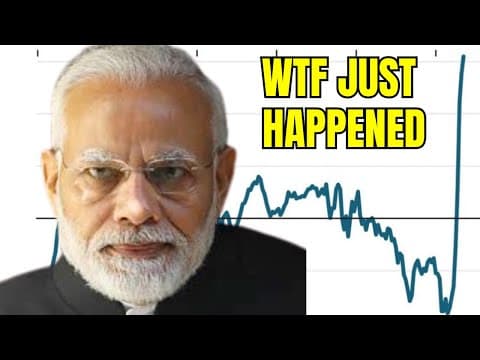
India serves as a prime example of a country grappling with the implications of a rising dollar. Despite outward appearances of economic stability, the Reserve Bank of India (RBI) has taken drastic measures to short the dollar significantly. Such actions suggest that the dollar's rise is more than just a minor nuisance; it reflects deeper economic challenges.
Steve Van Meter points out that the Federal Reserve does not have as much control over the dollar as it claims. Despite cutting rates, which should theoretically weaken the dollar, it continues to rise. This phenomenon indicates that central banks worldwide are struggling to manage their currencies effectively.
The demand for safe havens, such as the US dollar and Swiss franc, increases during times of economic uncertainty. As central banks cut rates in response to perceived economic problems, market participants also seek safety in the dollar. This trend reflects a broader concern about the global economy's health, as evidenced by the weakening of other currencies.
The current global economic landscape is characterized by a slowdown in trade and economic activity. This decline in trade diminishes the demand for currencies, including the dollar. When economic prospects appear bleak, countries prefer to hold stable currencies like the dollar, which can serve as a reserve or rainy day fund.
Financial flows are closely tied to trade dynamics. A robust trading environment typically correlates with increased demand for currencies, including the dollar. Conversely, a lack of trade activity leads to diminished demand for currencies, resulting in a decline in their value. The dollar's rise, therefore, signals a contraction in global trade and economic activity.
As the dollar appreciates, it can negatively affect US exports, making American goods more expensive for foreign buyers. This situation is particularly advantageous for countries like China, which may benefit from a weaker dollar. Additionally, many countries hold dollar-denominated debt, and a rising dollar increases the cost of servicing this debt, posing significant risks to their economies.
A common misconception is that a rising dollar indicates a strong US economy. In reality, it often reflects a flight to safety amid global economic uncertainty. Investors and countries alike seek the dollar as a reliable asset, which can lead to a false sense of security regarding the US economy's health.
The implications of a rising dollar extend beyond the US economy, affecting global financial conditions and trade dynamics. As countries like India take measures to mitigate the impact of the dollar's rise, it becomes increasingly important to monitor these developments. The dollar's trajectory serves as a bellwether for global economic health, and its continued rise could signal deeper issues that warrant attention from policymakers and investors alike. Understanding these dynamics is essential for navigating the complexities of the current economic landscape.