The recent rise in inflation to 3.5% raises concerns about the Federal Reserve's interest rate policies. With the economy showing strength through job growth and consumer confidence, the Fed faces pressure to manage market expectations while avoiding premature rate cuts that could signal economic slowdown.
In March, the annual inflation rate surged to 3.5%, marking the highest level since September. This increase in prices has significant implications for the Federal Reserve's monetary policy and the broader economy. As the Dow Jones Industrial Average fell by 400 points, market analysts began to assess the potential consequences of this inflation spike.
The recent inflation figures indicate a rapid increase in prices, particularly in sectors such as hospital services, insurance, and rent. These areas are less influenced by interest rates, suggesting that inflation could remain elevated for an extended period. This persistent inflation is causing concern among market participants and economists alike.
The inflation rise is closely tied to economic activity. Despite the Fed's previous indications of potential interest rate cuts, the current economic indicators show robust job growth and strong consumer spending. In fact, the economy added 330,000 jobs last month, reflecting a solid labor market.
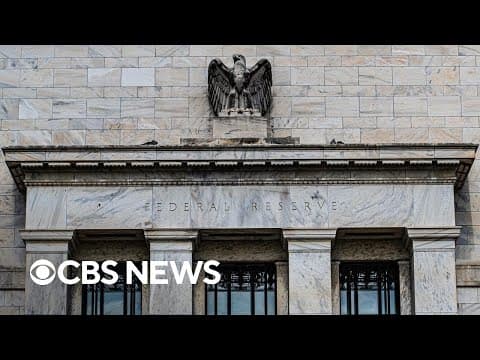
The Federal Reserve is in a challenging position. Initially, they had signaled the possibility of three interest rate cuts this year. However, with inflation rising, the Fed may face the longest gap between the last rate hike and the first cut on record. This situation requires the Fed to exercise patience and carefully monitor how inflation influences the economy.
Market participants are eager for rate cuts, but cutting rates too early could have adverse effects. The Fed typically raises rates gradually but tends to cut them more abruptly. This approach can lead to instability if the Fed needs to reverse course due to unexpected inflationary pressures. The Fed's cautious stance is influenced by past experiences, particularly the missteps following the pandemic.
The Fed must navigate the delicate balance between managing market expectations and responding to actual economic conditions. If a rate cut occurs too soon, it may signal to the public that the economy is slowing down, which could undermine consumer confidence.
As the economy continues to show strength, the Fed's actions—or lack thereof—will play a crucial role in shaping future economic conditions. If inflation remains high while growth slows, the Fed may find itself in a precarious position, needing to address both inflation and economic stagnation simultaneously.
The recent rise in inflation presents a complex challenge for the Federal Reserve and the economy at large. With strong job growth and consumer confidence, the Fed must carefully consider its next steps to avoid destabilizing the economy. As inflation persists, the implications of the Fed's decisions will be closely watched by markets and consumers alike, highlighting the intricate relationship between monetary policy and economic health.