Visceral fat is a dangerous type of fat that accumulates around organs and can lead to serious health issues. The primary contributor to visceral fat gain is alcohol consumption. This blog post explores the nature of visceral fat, its health implications, and effective strategies for reducing it, including dietary changes and fasting.
Visceral fat is often overlooked in discussions about body fat, yet it poses significant health risks. Unlike subcutaneous fat, which is soft and located just beneath the skin, visceral fat is dense and accumulates around vital organs. This blog post delves into the nature of visceral fat, its dangers, and effective strategies for reducing it.
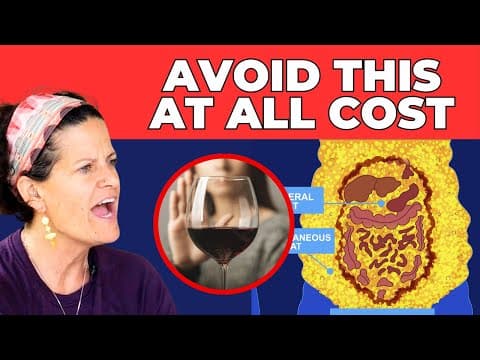
Visceral fat is the most unhealthy type of fat in the body. It is not soft and cushy like subcutaneous fat; instead, it is hard and dense, often accumulating around the abdomen and organs. This type of fat is particularly dangerous due to its location, as it can affect vital bodily functions and overall health.
The dangers of visceral fat stem from its ability to release harmful substances into the bloodstream. It dumps cellular waste products directly into the portal vein, which connects the intestines to the liver. This disrupts communication between the liver and the gastrointestinal system, leading to uncontrolled blood sugar levels.
Research has shown that visceral fat increases the risk of chronic diseases, including liver disease, heart disease, and respiratory issues. A 2008 study found that visceral fat contributes to liver disease by increasing triglyceride levels. Additionally, it can compress the lungs and diaphragm, leading to breathing problems such as asthma and sleep apnea.
One of the most significant contributors to visceral fat gain is alcohol consumption. A 2023 study found a direct relationship between alcohol intake and visceral fat accumulation. The more alcohol consumed, the more visceral fat was present, affecting both men and women.
A 1996 study indicated that women who consumed two alcoholic drinks per night were more likely to gain visceral fat compared to those who abstained. Furthermore, binge drinking (five or more drinks in one sitting) was particularly harmful. To mitigate the risks associated with visceral fat, it is advisable to limit alcohol intake to one drink per night, ideally consumed with food to lessen its impact on blood sugar levels.
Intermittent fasting has been shown to help convert visceral white fat into brown fat, which is easier to burn. Regular fasting can stimulate growth hormone production, enhance autophagy (cellular cleaning), and improve overall metabolic health.
Adopting a diet rich in whole, natural foods while avoiding processed foods and obesogens (chemicals that promote fat storage) is crucial. Foods that come from nature, rather than human-made products, should be prioritized.
Incorporating strength training into your routine can help build muscle, which is essential for burning fat. Focus on heavy weights with fewer repetitions to maximize muscle growth, especially for women going through menopause.
Cold plunging can also aid in converting white fat to brown fat. Engaging in cold exposure for short periods can stimulate fat burning and improve metabolic health.
Visceral fat is a serious health concern that requires attention. By understanding its implications and taking proactive steps to reduce it—such as limiting alcohol intake, adopting a healthy diet, fasting, and exercising—you can significantly improve your health and well-being. Knowledge is power, and by making informed choices, you can combat the dangers of visceral fat and lead a healthier life.