This article explains the physiological processes during sexual arousal in males and females, focusing on what happens when orgasm or ejaculation does not occur. It covers the causes and symptoms of epididymal hypertension (blue balls) in males and pelvic congestion in females, clarifying that these conditions are uncomfortable but not dangerous, and highlights when to seek medical attention for severe testicular pain.
Sexual arousal triggers a complex series of physiological responses in the body, preparing it for potential orgasm and release. But what happens when that release never comes? This article explores the biological mechanisms behind sexual arousal in males and females, the discomfort that can arise when orgasm or ejaculation does not occur, and the medical implications of these phenomena.
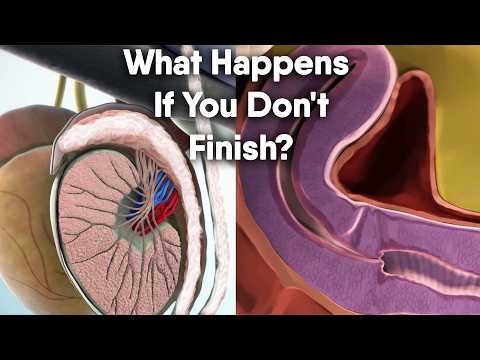
When sexual arousal begins, the nervous system—specifically the parasympathetic branch—sends signals to dilate blood vessels in the pelvic region. This causes blood to rush into the testicles faster than the venous system can drain it, intentionally preparing the body for ejaculation.
All these components work together to load the system in preparation for ejaculation.
Under normal circumstances, this buildup culminates in orgasm, where muscle contractions expel fluid, blood vessels return to baseline, and the parasympathetic signals wind down. The sympathetic nervous system then takes over, allowing everything to drain and the body to return to a resting state.
If arousal remains high for a prolonged period without orgasm or ejaculation, the extra blood and fluid do not leave the area quickly enough. This leads to a condition known clinically as epididymal hypertension.
The discomfort arises from three simultaneous sources:
Vascular Congestion: Small veins in the testicular and epididymal tissue remain compressed under pressure from arterial blood still flowing in, causing the tissue to be caught between incoming pressure and nowhere to drain.
Cremaster Muscle Contraction: The cremaster muscle, responsible for raising and lowering the testicles, stays partially contracted during arousal. Sustained muscle contraction causes aching.
Ductal Pressure: The vas deferens and epididymis become loaded with secretions, sperm, seminal fluid, and prostatic secretions with nowhere to go, creating a dull, deep ache that can radiate into the lower abdomen.
Despite the name, nothing actually turns blue. However, in prolonged congestion, pooled venous blood becomes more deoxygenated and darker, which can give tissue a slightly dusky hue in extreme cases. This subtle effect is the origin of the term "blue balls."
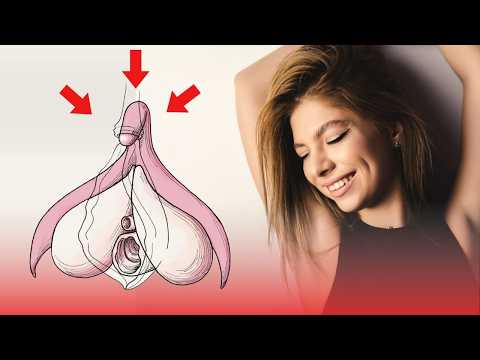
This phenomenon is not exclusive to males. Females experience a physiologically parallel process during arousal:
When arousal is prolonged without resolution, this congestion persists, resulting in a heavy, throbbing, aching sensation in the pelvis. This condition is known clinically as pelvic congestion.
Unlike the male experience, pelvic congestion is less discussed and lacks a catchy nickname, largely due to cultural differences in public conversation.
Typically, the discomfort lasts between 20 to 60 minutes after arousal subsides. The body resolves the condition on its own without intervention:
Importantly, this condition is not dangerous. It causes no lasting damage, reduced fertility, or vascular harm. While it can be uncomfortable or even painful, it is medically considered a self-limiting condition.
Any testicular pain that is severe, sudden, or does not resolve, especially if accompanied by nausea, vomiting, or if one testicle sits significantly higher than the other, should be evaluated immediately.
This could indicate testicular torsion, a mechanical twisting of the spermatic cord that cuts off blood supply entirely. Unlike epididymal hypertension, testicular torsion is a surgical emergency where every minute counts.
Understanding the physiological processes behind sexual arousal and the effects of prolonged arousal without release helps demystify common experiences such as "blue balls" in males and pelvic congestion in females. While these conditions can cause discomfort, they are generally harmless and resolve naturally. Awareness of symptoms that require urgent medical care is crucial for maintaining reproductive health.