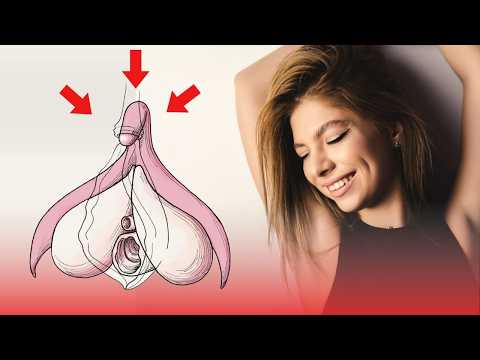
Many women experience a disconnect between enjoying sex when it happens and lacking the desire for it. This article explores common reasons such as life stressors, pressure, and changes in relationship dynamics. It offers practical advice on nurturing intimacy, managing responsive desire, and creating rewarding sexual experiences to rekindle libido and connection with your partner.
Sexual desire and intimacy can be complex, especially for women balancing life’s many demands. It’s not uncommon to enjoy sex when it happens but struggle with the desire to initiate or seek it out. This article delves into real-life experiences shared by women, explores the underlying causes of this phenomenon, and offers actionable advice to help reignite your sexual desire and deepen intimacy.
One caller shared her experience of being a mother of three young children, co-sleeping with a baby, and managing the exhaustion and hormonal changes postpartum. Despite enjoying sex when it happens, she finds it difficult to access desire or initiate intimacy. This scenario highlights how life’s responsibilities, lack of sleep, and physical demands can shrink the “cup” of available erotic energy.
She expressed acceptance and peace with this phase but also a longing for a part of herself that feels dormant — a piece that is just for her, separate from her roles as a mother and partner. This longing is a crucial insight: nurturing your own space and pleasure is essential for rekindling desire.
Even small moments, like a 10-minute run, can serve as precious time just for you. Protecting and savoring these moments can help cultivate aliveness and spark within yourself, which can then translate into your intimate life.
The caller’s weekly date night often involved watching movies, which, while relaxing, did not foster intimacy or connection. The advice given was to replace passive activities with rituals that encourage eye contact, touch, and meaningful conversation. For example:
These rituals release oxytocin, the bonding hormone, and help maintain intimacy even when sex is less frequent.
Another caller described the pressure of trying to conceive, which turned sex into a chore rather than a pleasure. She never really enjoyed sex before and now feels checked out and overwhelmed by expectations.
Pressure can cause the body to shut down, leading to disconnection and discomfort. The recommendation was to pause penetrative sex for a period (e.g., 30-60 days) to relieve pressure and focus on reconnecting through non-sexual intimacy like board games, walks, and cooking together.
A practical tool introduced was the "three-minute game," designed to explore touch, consent, and pleasure without the pressure of sex. Partners take turns expressing how they want to be touched and how they want to touch, negotiating and tuning into each other's needs. This game fosters connection and responsive desire.
A third caller shared that she enjoys sex when it happens but rarely feels desire beforehand. She often forces herself to have sex out of guilt, which creates tension.
Women often experience responsive desire, meaning they need time and pleasurable inputs to feel turned on.
The caller realized that her motivation was primarily to please her partner, which is not a sustainable reward for desire. She identified that she values feeling cherished and experiencing orgasmic pleasure.
The key insight is that to foster desire, you must prioritize your own pleasure and fulfillment in sex. Being more selfish in bed—allowing yourself to receive and feel cherished—creates an upward cycle of pleasure that fuels desire.
Sexual desire is influenced by many factors including life stress, relationship dynamics, and personal fulfillment. Enjoying sex when it happens but lacking desire to initiate it is common, especially for women with responsive desire. By protecting your personal time, fostering intimacy rituals, reducing pressure, and prioritizing your own pleasure, you can reignite your libido and deepen your connection with your partner.
If you find yourself struggling, consider seeking support through intimacy coaching or programs designed to help couples reconnect and cultivate fulfilling sexual relationships.
Remember, your sexual health and pleasure are important parts of your overall well-being. Taking steps to nurture them is a valuable investment in yourself and your relationship.