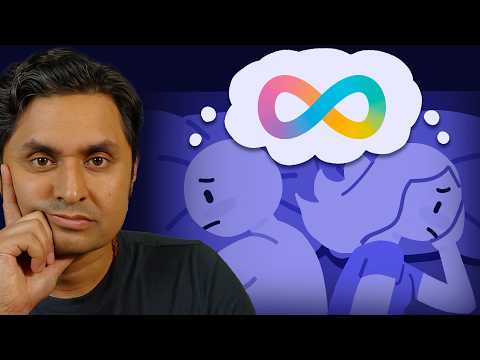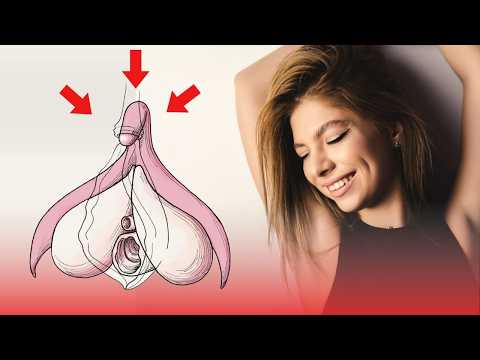
Many people experience sexual urges that arise suddenly without a genuine desire for sex. This phenomenon occurs due to the brain's automatic processing of stimuli, intrusive thoughts, stress responses, and the natural disconnect between physical arousal and psychological desire. Recognizing these differences can help reduce confusion and self-judgment when such urges occur.
Before diving into the topic, it's important to understand the mission behind this discussion. The goal is to make psychology easier to understand, more compassionate, and less lonely to explore. By exploring topics that are often overlooked but deserve attention, we aim to help people better understand themselves and those around them.
Have you ever experienced a sexual urge that seemed to come out of nowhere, but you didn't actually want sex? Perhaps your body suddenly felt aroused, but your mind wasn't interested, or a random sexual thought appeared while you were focused on something completely unrelated. Experiences like this can feel confusing and sometimes worrying, as people might wonder if it says something about their character, desires, or intentions.
In many cases, these experiences have less to do with what you want and more to do with how the brain processes stimulation, stress, and automatic thoughts. Your brain generates thousands of thoughts every day, and your body often reacts to signals before your conscious mind has time to interpret them. Sometimes, those signals include sexual ones.
Let's explore why you can sometimes feel sexual urges without actually wanting sex.
One key to understanding this phenomenon is recognizing that sexual desire and sexual urges are not the same thing.
Sexual Desire: This is the psychological interest in intimacy or connection. It is the feeling of wanting to be close to someone in a romantic or sexual way.
Sexual Urges: These are more physical and automatic. They can appear as sudden arousal, intrusive sexual thoughts, or a physical sense of tension pushing towards stimulation or release.
The key difference is that desire is about wanting, while urges are signals from the body and brain. Because these systems are connected but not identical, they don't always activate simultaneously. This explains why someone can experience a sexual urge even when they don't actually want sex.
Several reasons explain why your body might trigger sexual urges even if you don't want sex.
Your brain constantly scans the environment for cues related to reward, pleasure, and attraction, such as body language, scent, voice tone, or visual features. This processing can begin in less than a second, often before you consciously notice what you saw.
This automatic processing means your brain reacts to certain signals before your conscious mind interprets them. Areas like the hypothalamus and the brain's reward system can activate before you realize it, causing your body to respond briefly to a stimulus even if you have no intention or interest in acting on it.
Your mind generates a constant stream of spontaneous thoughts throughout the day, some helpful, some random, and some uncomfortable or unexpected. Psychologists call these intrusive thoughts—thoughts that appear automatically even when they don't reflect what you actually want.
Intrusive thoughts can include embarrassing memories, fears, aggressive ideas, or sexual thoughts. For example, a random sexual thought might appear while you're studying, in a meeting, or watching something innocent. Interestingly, the more you try to suppress a thought, the more likely it is to return.
Therefore, a sudden sexual thought doesn't necessarily mean you desire it; it might simply be a random mental event.
Stress can increase sexual urges. When people feel overwhelmed or mentally drained, the brain often looks for quick ways to relieve tension. Sexual stimulation activates dopamine and endorphins, chemicals associated with pleasure and emotional regulation.
As a result, the brain may generate sexual urges as a way to temporarily reduce stress. However, this doesn't always mean someone actually wants intimacy at that moment; sometimes, it's just the nervous system searching for relief from pressure.
Physical arousal and psychological desire are separate processes. Arousal is the body's physical response, while desire is the mental or emotional interest in sexual connection. These two systems don't always activate simultaneously.
It's possible to feel physical arousal without wanting sex or to want intimacy while the body hasn't responded yet. Psychologists call this misattribution of arousal—the mismatch between the body's physical signs and the mind's actual wants.
Spontaneous arousal can also occur, where the body shows signs of arousal even though the person isn't thinking about anything sexual. Understanding this helps people realize that bodily reactions don't always reflect their intentions or desires.
Human brains are naturally curious, exploring ideas, imagining possibilities, and mentally stimulating different experiences all the time. This curiosity can sometimes include thoughts related to attraction, relationships, or sexuality.
Occasionally, the brain generates these thoughts simply because it's exploring possibilities, not because someone intends to act on them. Just like imagining awkward conversations or strange dreams, the mind can produce sexual thoughts that don't reflect true intentions.
Thoughts are simply events in the mind and do not define who you are.
If you experience a sexual urge that you don't actually want, one helpful step is to acknowledge the feeling without judging yourself. Since urges often come from automatic brain processes, trying to suppress or fight them too aggressively can sometimes make them feel stronger.
Many psychologists recommend noticing the sensation, letting it pass, and gently redirecting your attention to something else. For example:
Most urges naturally fade after a short time if they aren't reinforced. Understanding what's happening in your mind can make those moments feel much less overwhelming.
Experiencing sexual urges without actually wanting sex can feel confusing, but in many cases, it's simply the result of automatic brain processes, intrusive thoughts, stress responses, or the natural difference between physical arousal and psychological desire.
Having a thought or urge doesn't mean you have to act on it. Understanding how the mind and body work together can make these moments feel a lot less confusing and help you respond with compassion toward yourself.
Remember to take care of yourself—you deserve it.