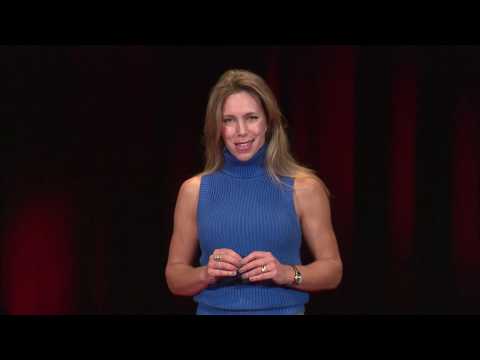
Dawn Barry discusses the potential of genomics in predicting health outcomes and transforming healthcare from reactive to proactive, emphasizing the importance of understanding our genetic predispositions to diseases and the role of personalized medicine in improving health management.
What if you could predict when your health might fail? While our phones and cars alert us to potential breakdowns, our health often surprises us without warning. This raises a critical question: how can we better understand our predispositions to diseases like cardiovascular issues, diabetes, neurological conditions, and cancer? The answer lies in our genome.
Our healthcare system is predominantly reactive; we engage with it only when problems arise. By the time symptoms manifest, it is often too late. Instead of waiting for health issues to surface, we should look deeper into our DNA, the blueprint of our existence. Understanding our genome can empower us to take proactive steps in managing our health.
A genome is the complete set of DNA in an organism, containing the instructions for life. Each person's genome is unique, inherited from both parents, and consists of a sequence of four nucleotides: G, A, T, and C. While humans share 99.9% of their genetic material, it is the 0.1% variation that makes us unique in traits such as eye color, hair texture, and susceptibility to diseases.
Genetic factors contribute to nine of the ten leading causes of death in the United States. Despite this, most people have not accessed their genetic information, which is not routinely included in healthcare. To improve health outcomes, we must integrate genomic understanding into our wellness management.
Personalized medicine aims to shift the focus from reactive treatment to preventive care. This approach leverages genomic information to enhance our understanding of health and disease. Dawn Barry shares her personal journey, highlighting how the loss of her parents to cancer motivated her to advocate for genomics in healthcare.
In 2012, Barry faced the devastating loss of both her parents to late-stage cancers that did not respond to treatment. This experience ignited her passion for genomics and personalized medicine. She reflects on how understanding their genetic predispositions could have led to earlier detection and more effective treatments.
The Human Genome Project, initiated in 1990, took 13 years and $3 billion to complete the first human genome. Today, advancements in technology allow us to sequence genomes in a day for about $1,000. This rapid progress has opened new avenues in reproductive health, drug response, tumor sequencing, and rare disease diagnosis.
Despite advancements, there is still much to learn about the genome. Current research is often limited by a lack of diversity, primarily studying white males. To unlock the full potential of genomics, we need to engage diverse communities in research. By doing so, we can create a rich dataset that reveals patterns and associations critical for understanding genetic health connections.
Barry advocates for community involvement in genomic research, emphasizing that individuals should be research partners rather than mere sources of samples. Engaging communities can foster long-term relationships between researchers and participants, leading to better health outcomes and more tailored solutions.
Deciding to sequence one's genome is a deeply personal choice. For Barry, the motivation stemmed from her role as a mother. She believes that knowledge is power and that understanding her genome could help her care for her daughters' health. Through her genome sequencing, she discovered valuable information about her genetic predispositions and potential responses to treatments.
The future of healthcare will involve having genomic information readily available throughout a person's life. This resource can guide decisions from family planning to disease prevention and treatment options. Understanding the genetic factors behind health issues can also inform families about potential risks, helping to prevent untimely deaths in future generations.
As we move forward, it is crucial to integrate genomics into our daily lives. By seeking information, starting conversations, and advocating for personalized medicine, we can influence change in healthcare. Let us not wait for health issues to arise, especially when the lives of our loved ones are at stake. Understanding our genomes can empower us to take charge of our health and well-being.