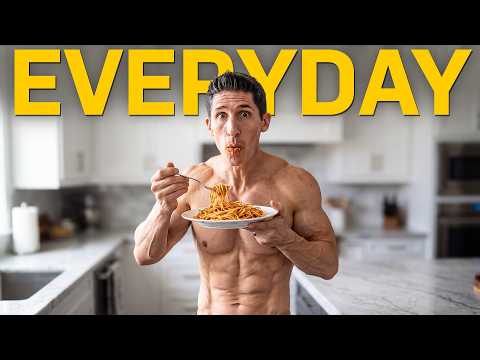
Achieving and maintaining leanness hinges primarily on nutrition, not exercise. The key to success lies in adopting a flexible, sustainable eating plan that fits your lifestyle and preferences. Most people fail because they perceive diets as too rigid and give up before 10 days, missing the critical habit formation period. Prioritize protein intake, understand portion flexibility, and tailor your eating schedule to your needs for lasting results.
Nutrition is often the hardest part of getting lean and maintaining that leanness. Many people struggle with sticking to a nutrition plan because they perceive it as too rigid or complicated. However, the truth is that achieving leanness is not as difficult as it seems once you understand the key principles and adopt a flexible approach.
Contrary to popular belief, exercise is not the primary factor in losing body fat. While exercise is important for overall health and muscle building, 99% of fat loss depends on how you eat. Even intense workouts may not burn enough calories to create a significant deficit if your nutrition is off.
The challenge with nutrition is that it requires a commitment for nearly 23 hours a day beyond your workout. This means you need to develop sustainable habits that you can maintain long-term.
Research shows that almost 80% of the impact of a new diet plan happens within the first 10 days. If you can make it past day 10, you are well on your way to adopting a lasting habit. Unfortunately, 92% of people abandon their diet plans before reaching this milestone due to perceived rigidity.
Many diets like Atkins, Keto, Carnivore, or others may seem strict, but there is actually a lot of flexibility built into them. The problem is that people often don't realize this flexibility and give up prematurely.
Your nutrition plan should start with a clear goal:
Regardless of your goal, protein intake is crucial. Protein helps preserve muscle mass during fat loss, supports muscle growth, and is satiating, helping you feel full.
For example, a 150-pound person aiming to gain muscle should target around 180 grams of protein daily.
You do not need to follow a rigid food list. Whether you prefer carnivore, keto, vegan, or a balanced diet, the key is to choose foods you enjoy and that are healthy for you long-term.
Visualize your plate divided into three parts:
You can swap foods within these categories without significantly affecting your calorie intake. For example, a cup of rice, pasta, or sweet potatoes all have roughly similar calories, so choose what you like.
Different protein sources have varying calorie counts mainly due to fat content. For example:
Adjust portion sizes accordingly to meet your calorie goals.
Differences in calories between fibrous vegetables like bok choy and broccoli are minimal and should not derail your diet. Choose what you enjoy.
Your eating frequency and timing should fit your lifestyle. Whether you eat five times a day or follow intermittent fasting with a restricted eating window, the most important factor is consistency and meeting your calorie and protein needs.
If you follow intermittent fasting, be mindful that you need to consume enough calories in a shorter time frame, which can be challenging with low-calorie, high-volume foods.
While nutrition is the main driver of fat loss, training is essential for building and maintaining muscle. Your training schedule should complement your eating schedule, and you can adjust meal timing around workouts to optimize performance and recovery.
The biggest obstacle to success is inconsistency. Nutrition requires a 24-hour commitment, and you need to get it right almost all the time. However, "getting it right" does not mean following a rigid, one-size-fits-all plan. It means finding a flexible approach that works for you and sticking to it.
By embracing flexibility and consistency, you can finally master your nutrition and achieve lasting leanness without feeling deprived or overwhelmed.
Nutrition does not have to be complicated or rigid. With the right mindset and approach, it can become a sustainable part of your lifestyle that supports your goals and overall health.
Remember, you don't need drugs or gimmicks—just the right information and a plan that fits you.
Stay consistent, be flexible, and you will succeed.