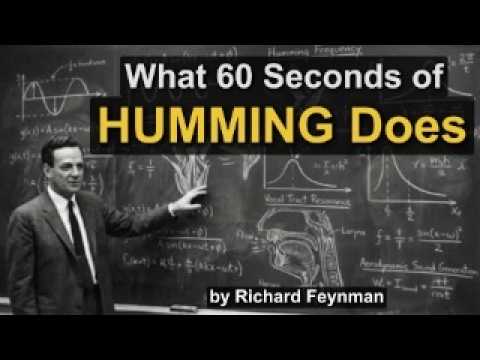
Humming for 60 seconds activates multiple physiological mechanisms including sinus resonance, increased nitric oxide production, vagus nerve stimulation, optimized breathing patterns, and enhanced cerebrospinal fluid movement. These combined effects improve pulmonary vasodilation, oxygen transfer, autonomic nervous system balance, and potentially brain waste clearance, offering a simple, accessible way to promote relaxation and respiratory health.
Have you ever wondered what happens inside your body when you hum a single note for a minute? Beyond being a simple, soothing activity, humming triggers a fascinating cascade of physiological effects that impact your brain, lungs, and nervous system. This article delves into the science behind humming and explains how just 60 seconds of this practice can influence your health and well-being.
Close your mouth and sustain any note for about 10 seconds. You might notice vibrations not just in your throat but extending into the bones of your face, behind your cheeks, above your eyes, and even into the back of your skull. This sensation occurs because the vibration travels through bone at speeds of approximately 3,000 to 4,000 meters per second—much faster than sound traveling through air.
Inside your skull are four pairs of air-filled chambers known as the paranasal sinuses:
Each sinus is lined with a mucous membrane and connected to the nasal passage through a narrow opening called the ostium. These sinuses are not just empty spaces; they act as resonance chambers with specific volumes and frequencies that amplify certain sounds.
When you hum, your vocal cords produce a fundamental frequency typically between 100 and 400 hertz. This vibration travels through various bones and cartilage, turning your skull into a vibrating shell. The sinuses resonate at frequencies close to the hum, especially the maxillary sinuses, which resonate around 200 to 350 hertz.
This resonance causes oscillating air pressure inside the sinuses, which significantly increases the production and release of nitric oxide (NO) gas. Nitric oxide is a powerful vasodilator and antimicrobial agent continuously produced by the sinus mucosa. However, during quiet breathing, NO diffuses slowly due to the narrow ostium.
Humming acts as an acoustic pump, flushing out accumulated nitric oxide and stimulating fresh production. Studies have shown that humming can increase nasal nitric oxide output by up to 15 times compared to quiet breathing.
The nitric oxide released from the sinuses during humming is inhaled into the lungs, where it crosses into the pulmonary capillary blood. Once in the bloodstream, nitric oxide activates molecular pathways that relax the smooth muscles of blood vessels, causing pulmonary vasodilation.
This vasodilation increases the surface area of pulmonary capillaries in contact with alveolar membranes, enhancing oxygen diffusion efficiency. Although the effect is modest, it is measurable and contributes to a feeling of increased alertness and clarity often reported after humming.
Humming also mechanically stimulates the vagus nerve, a critical nerve involved in parasympathetic nervous system regulation. The vocal cords vibrate the tissue surrounding the larynx, directly shaking the vagus nerve. Additionally, bone conduction transmits vibrations through the temporal bone adjacent to the nerve's intracranial course.
This dual stimulation activates the vagus nerve's afferent fibers, leading to a decrease in heart rate and an increase in heart rate variability within 15 to 20 seconds of humming. This shift promotes parasympathetic dominance, which is associated with relaxation and stress reduction.
Humming can only be performed during exhalation, which naturally enforces an extended exhale-to-inhale ratio of approximately 3:1 to 4:1. This breathing pattern is known to maximize parasympathetic activation and is often the goal of clinical breathing protocols like box breathing or coherence breathing.
Unlike these protocols, which require conscious effort and training, humming produces this optimal breathing ratio effortlessly. The vocal cords enforce the extended exhale, and the lungs comply, resulting in autonomic nervous system rebalancing without the need for counting or focused attention.
The increased intrathoracic pressure during humming, caused by exhaling against a partially closed glottis, transmits pressure changes through the venous system to the intracranial space. This creates gentle rhythmic oscillations in intracranial pressure synchronized with the humming frequency.
These oscillations influence the movement of cerebrospinal fluid (CSF), which cushions the brain and facilitates the clearance of metabolic waste through the brain's lymphatic system. Although this mechanism is still preliminary and requires further research, it suggests that humming may enhance brain waste clearance and contribute to neurological health.
Humming for just 60 seconds is a simple, accessible intervention that activates multiple physiological systems simultaneously. Unlike pharmaceutical nitric oxide therapies requiring hospital equipment, humming uses your body's natural sinus architecture and vocal cords to deliver a mild but effective dose of nitric oxide.
This practice does not replace medical treatments but offers a low-cost, easy-to-perform method to promote relaxation, improve oxygen transfer, and potentially support brain health. It is especially beneficial for individuals who find traditional relaxation or breathing exercises challenging.
The note you choose should feel natural and effortless, as this likely aligns with your sinus resonance frequency.
Humming is much more than a simple sound; it is a multi-system physiological intervention that leverages acoustic resonance, bone conduction, and respiratory mechanics to produce measurable health benefits. From enhancing nitric oxide production and lung function to stimulating the vagus nerve and potentially improving brain fluid dynamics, humming for 60 seconds offers a powerful, accessible tool for well-being.
So next time you find yourself humming absent-mindedly, remember that you are engaging a complex and beneficial biological process that supports your body's relaxation and respiratory efficiency.