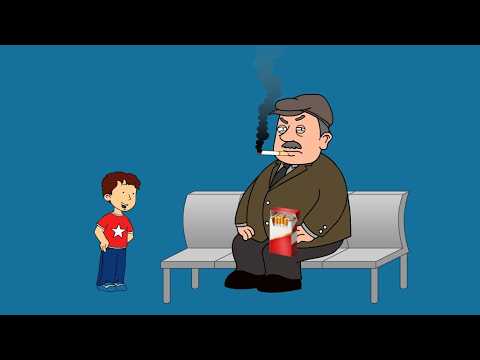
This story follows Timmy, a toddler who rejects typical playground activities in favor of wanting to smoke cigarettes to appear mature. Through his interaction with adults, the narrative highlights misconceptions about maturity, the dangers of smoking, and the importance of guiding children with care and understanding.
In a seemingly ordinary day at the park, a young boy named Timmy surprises everyone with his unusual desire. Unlike other children who eagerly play on the playground, Timmy refuses, expressing a wish to engage in something he perceives as mature: smoking cigarettes. This story unfolds to reveal deeper insights into childhood perceptions of maturity, the dangers of smoking, and the responsibilities adults have in guiding young minds.
Timmy's mother takes him to the park, encouraging him to play while she watches. However, Timmy is not interested in the playground, which he dismisses as a place for babies and toddlers. He insists that he is not a baby and resents being treated as one. This rejection of typical childhood activities stems from his desire to be seen as mature and grown-up.
While at the park, Timmy notices an old man smoking a pack of cigarettes. To Timmy, this act symbolizes adulthood and maturity. He decides to approach the man, hoping to obtain a pack of cigarettes himself. Timmy believes that if he can smoke like the old man, his mother might be proud of him for acting like a mature adult.
Timmy meets two men, Big Smoke and Abe, and asks them for a pack of cigarettes. They initially laugh, thinking Timmy is joking. However, Timmy insists he is serious. The men explain to Timmy that he is just a little kid and question why he would want cigarettes. Timmy reiterates his desire to be mature and smoke like the old man.
One of the men firmly refuses Timmy's request, emphasizing that smoking does not make someone look mature. He also warns about the dangers of smoking and secondhand smoke, highlighting that it is toxic and harmful. The men then decide to take Timmy away from the situation, prioritizing his safety.
After Timmy is taken away, one of the men expresses frustration, calling Timmy an annoying little brat. This reaction reflects a common adult response to children's unusual or challenging behavior, but it also underscores the need for patience and understanding when dealing with children's developmental stages and misconceptions.
Timmy's story illustrates how children can misconstrue adult behaviors as symbols of maturity. Smoking, often glamorized in media and culture, can be mistakenly seen by children as a sign of being grown-up.
Adults play a crucial role in guiding children through their understanding of maturity and healthy behaviors. It is essential to communicate clearly about the dangers of smoking and to provide positive role models.
Timmy's rejection of the playground and desire to smoke may also indicate his need for recognition and respect. Adults should acknowledge children's feelings and help them find age-appropriate ways to express their growing independence.
Timmy's experience at the park serves as a poignant reminder of the complexities of childhood development and the impact of adult behaviors on young minds. While Timmy's desire to smoke cigarettes is misguided and dangerous, it opens a window into how children perceive maturity and the importance of adult intervention to guide them safely through these formative years. By understanding and addressing these issues with empathy and education, we can help children like Timmy grow into healthy, mature adults.