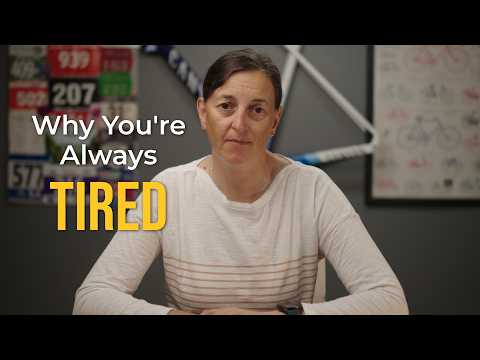
Endurance cyclists frequently experience chronic fatigue due to unnoticed accumulation of stress, unplanned recovery, and inconsistent fueling. This article explains why fatigue occurs, how intensity sneaks into training, the importance of planned recovery and proper nutrition, and offers practical steps to fix fatigue without losing fitness.
If you are an endurance cyclist who feels constantly tired, flat, or inconsistent in your training, it is likely not due to laziness or lack of fitness. Instead, fatigue quietly accumulates over time, often unnoticed until your performance starts to decline. This article explores why endurance cyclists frequently experience chronic fatigue and how to fix it without sacrificing fitness.
Feeling tired occasionally is normal, but feeling tired all the time is not. Fatigue is not a sign of weakness; rather, it is your body's feedback mechanism signaling that something needs attention. Unfortunately, many riders ignore these signals until fatigue becomes overwhelming.
Many cyclists believe they only train hard once or twice a week, but intensity often sneaks into various rides unintentionally. Group rides, steady rides that gradually become harder, and long rides ridden too aggressively all contribute to constant low-level stress. This persistent stress prevents your body from fully recovering, causing adaptation to stall.
Easy days are crucial for recovery. If an easy ride does not feel easy, it is not truly easy. Being ruthless about easy days ensures your body gets the rest it needs to adapt and improve.
Many riders do not plan their recovery; they simply hope it happens. This approach leads to skipped rest days and easy rides becoming harder, which is not recovery but maintenance—resulting in ongoing fatigue.
Recovery rides need to be intentional. Plan your easy days, rest days, and lighter weeks within your training periodization. Recovering does not cause loss of fitness; rather, failing to absorb training work due to lack of recovery leads to fitness loss.
Fueling errors not only affect performance but also hinder recovery. Training in a depleted state due to underfueling can cause symptoms such as flat legs, poor sleep, and mood swings.
Fuel your body to support the work you are doing, not based on the body weight you wish to have. Consistency in fueling matters more than the specific products you use.
Fatigue provides clues before it fully takes over. Early signs include:
Most riders push through these signs instead of adjusting their training. Recognizing and responding to these signals early can prevent prolonged fatigue.
If you are already feeling fatigued, there is good news. You do not need to start over. Follow these steps:
Fitness will return quickly once fatigue decreases.
Cyclists often feel constantly tired because:
Fixing fatigue is not about doing less but about doing the right things at the right time. Planning recovery, managing intensity, and fueling properly are key to overcoming chronic fatigue and improving performance.
For those interested in managing fatigue and recovery effectively, tools like a gravel training checklist can help monitor fatigue and recovery status. Training smarter and recovering better are essential for long-term success in endurance cycling.