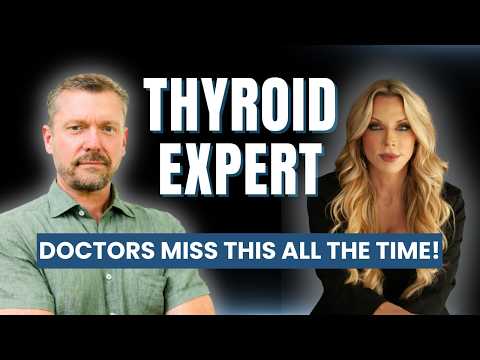
Thyroid disease, especially in women, is often misdiagnosed or inadequately treated due to doctors not listening to symptoms and relying solely on limited lab tests. Dr. Amy Horneman shares her personal journey and expert advice on recognizing symptoms, understanding comprehensive thyroid testing, and finding the right care. Proper diagnosis and treatment are crucial for quality of life and preventing serious health risks.
Thyroid disease, particularly hypothyroidism and Hashimoto's thyroiditis, is a common yet frequently misdiagnosed condition in women. Dr. Amy Horneman, a thyroid expert and functional medicine practitioner, shares her personal story of struggling with undiagnosed thyroid disease and offers valuable insights into why many doctors get thyroid treatment wrong and how women can better advocate for themselves.
Dr. Amy emphasizes that the root of the problem often starts with doctors not listening to their patients. In a typical 5 to 7-minute visit, patients are rarely asked how they truly feel. Symptoms are sometimes dismissed or overshadowed by lab results, which are often limited to just TSH or TSH and free T4 tests.
She stresses that symptoms are just as important, if not more so, than lab values. Symptoms such as unexplained weight gain, hair loss, constipation, feeling cold, dry skin, and fatigue should be taken seriously and correlated with comprehensive lab data.
In her 20s, Dr. Amy was a competitive bodybuilder who experienced unexplained weight gain despite strict dieting and intense exercise. Multiple doctors told her she was normal and advised her to eat less and exercise more, which was not only unhelpful but also dismissive.
It was only after seeing an endocrinologist who identified a thyroid nodule and suspected Hashimoto's that she received a diagnosis. However, the standard treatment with levothyroxine (T4 only) did not improve her symptoms. This led her to explore functional medicine and discover the importance of T3, the active thyroid hormone, which many doctors do not prescribe.
Most doctors only test TSH, and sometimes free T4, which can miss many thyroid conditions including:
Dr. Amy recommends a full thyroid panel including:
These tests provide a more complete picture of thyroid function and autoimmune activity.
Thyroid disease affects the entire body. Symptoms can include:
Many of these symptoms overlap with other conditions such as depression and fibromyalgia, which are often misdiagnosed when thyroid disease is not properly evaluated.
Thyroid medication is hormone replacement therapy, similar to bioidentical hormone replacement for sex hormones. For most people with hypothyroidism, especially due to Hashimoto's, diet alone will not fix the problem. Proper thyroid hormone replacement, often including both T4 and T3, is necessary to restore health.
Dr. Amy shares a case where correcting thyroid hormone levels enabled a patient to successfully lose weight and improve blood sugar control.
Certain minerals and vitamins are crucial for thyroid function:
Untreated hypothyroidism is not just a cosmetic issue; it increases risks of:
Proper diagnosis and treatment are critical for long-term health and quality of life.
While AI tools like ChatGPT can provide general information, they are primarily trained on conventional medicine and may spread misinformation. Human clinical judgment and personalized care remain essential.
Dr. Amy offers telehealth consultations and prescribes thyroid medications across all 50 states. Visit dramy.com to book a free call and find the best program for your thyroid health.
Thyroid disease is complex and often misunderstood. By educating yourself, advocating for comprehensive testing, and finding knowledgeable healthcare providers, you can take control of your thyroid health and improve your quality of life.