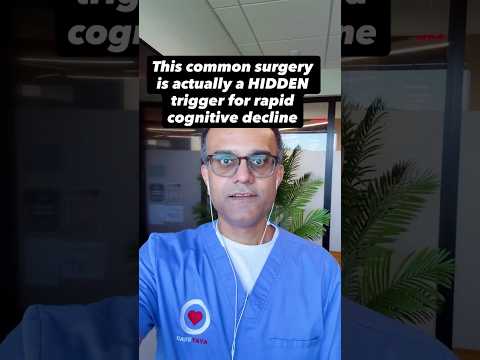
Millions of older adults undergo surgery annually and many families notice changes in memory, focus, and personality afterward. This condition, called postoperative cognitive dysfunction (POCD), is common in those over 65 and can last months or become permanent. Despite its prevalence, families are rarely warned about this risk before surgery. Understanding and discussing the cognitive risks, especially for elective surgeries, is crucial to protect aging loved ones.
Millions of older adults undergo surgery every year. While these procedures are often necessary, many families notice something different about their loved ones after surgery. These changes can be subtle or significant, affecting memory, focus, and even personality. Unfortunately, doctors often dismiss these observations, and families are rarely warned about this possibility beforehand.
After certain surgeries, particularly major ones involving general anesthesia, some older adults experience notable cognitive changes. Families describe it as the person coming back slightly different. These changes can include:
These symptoms are not just anecdotal; researchers have now confirmed that these cognitive changes are real and far more common than previously acknowledged.
The medical community has identified this condition as postoperative cognitive dysfunction, or POCD. It is most common in adults over the age of 65 and can persist for months after surgery. In some cases, the cognitive decline may even become permanent.
POCD is characterized by a decline in cognitive function following surgery, which can affect daily living and quality of life. The exact mechanisms are still being studied, but it is believed that the stress of surgery and anesthesia on the aging brain plays a significant role.
One of the most concerning aspects of POCD is that families are rarely warned about this risk before surgery. Consent forms typically cover physical risks such as infection or bleeding but almost never mention the possibility of cognitive decline.
This lack of information means that many families are unprepared for the changes they observe in their loved ones after surgery. It also means they do not have the opportunity to weigh this risk when making decisions about elective or non-urgent surgeries.
The risk of POCD is significantly higher in older adults, especially when the surgery is non-urgent or elective. This means that elective procedures carry a cognitive risk that most families have never been told to consider.
Before proceeding with surgery, it is crucial to ask whether the procedure can be delayed or avoided entirely. This question can help protect the brain health of aging loved ones and potentially prevent long-term cognitive decline.
Postoperative cognitive dysfunction is a significant and often overlooked risk for older adults undergoing surgery. Families need to be aware of this possibility and advocate for informed decision-making when it comes to surgical procedures. By asking the right questions and understanding the risks, families can better protect the cognitive health of their aging loved ones.
If you have an aging parent or spouse facing a surgical decision, share this information to help them make the best choice for their health and well-being.