This blog post explores recent developments in space exploration, focusing on SpaceX's launches, NASA's Artemis program, and the implications of potential contract changes. It discusses the impact of government shutdowns on NASA, the competition for lunar landers, and the future of space missions.
Hello, it's Scott Manley here. As we dive into the latest updates in deep space exploration, we will cover significant launches, NASA's current status, and the implications for SpaceX's Artemis III contract. The landscape of space exploration is rapidly evolving, and understanding these developments is crucial for enthusiasts and stakeholders alike.
In the past few weeks, SpaceX has successfully conducted six Starlink launches, three from Vandenberg and three from the East Coast. Notably, the Vandenberg launches on October 3rd, 8th, and 19th marked a significant milestone, bringing the total number of Starlink satellites launched to 10,000. This achievement coincided with the Department of the Air Force approving SpaceX's proposal to double its launch rate at Vandenberg, potentially allowing for up to 100 launches per year.
On October 11th, China saw the launch of Gravity 1 from Oran Space, deploying several satellites into sun-synchronous orbit. Following this, on October 13th, a Long March 2D rocket launched a secret reconnaissance satellite, showcasing the ongoing advancements in China's space capabilities. The same day, SpaceX's Starship Flight 11 took place, described as refreshingly boring, successfully meeting all mission goals without major issues.
Currently, NASA is experiencing a significant slowdown due to the government shutdown, which has halted many operations. The lack of a compromise in Congress has left NASA's future uncertain, with funding for various projects at risk. This situation has led to discussions about the potential dismantling of the space shuttle, which has sparked controversy among stakeholders.
In a troubling development, NASA's Jet Propulsion Laboratory (JPL) announced layoffs of 550 employees, marking the fourth round of job cuts in two years. This reduction is not directly related to the government shutdown but reflects ongoing funding challenges and shifts in project priorities, particularly concerning the Mars sample return project.
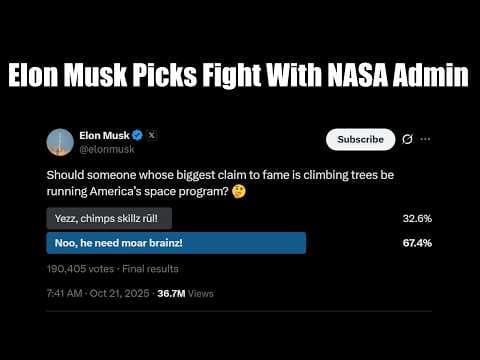
The Artemis program continues to face challenges, particularly regarding the Human Landing System (HLS) contracts. Acting NASA Administrator Shawn Duffy has reopened the HLS development contracts, which could allow for a switch from SpaceX's Starship to Blue Origin's lander if it becomes available in time. This decision highlights the competitive landscape for lunar landers, with Blue Origin proposing a fast-track option for a less capable lander.
Axiom Space, the sole provider of space suits for NASA, is under scrutiny as leadership changes raise concerns about their ability to deliver on critical projects. The success of the Artemis missions hinges on the timely development of these suits, which are essential for astronaut safety on the lunar surface.
Impulse Space has announced plans to develop a lunar lander capable of delivering payloads without the need for in-space refueling. This initiative aims to fill a gap in lunar lander capabilities, potentially enhancing the efficiency of future lunar missions.
Recent incidents involving space debris have raised alarms within the aerospace community. A piece of debris landed in Australia, confirmed to be a fourth stage of a rocket, while another incident involved a weather balloon colliding with an aircraft. These events underscore the need for improved tracking and management of space debris to ensure the safety of both space missions and commercial aviation.
As we navigate the complexities of space exploration, the interplay between government funding, private innovation, and international competition will shape the future of missions like Artemis III. With SpaceX's contract under scrutiny and NASA facing operational challenges, the coming months will be critical in determining the trajectory of human spaceflight and exploration. Keep watching the skies as we continue to monitor these developments.