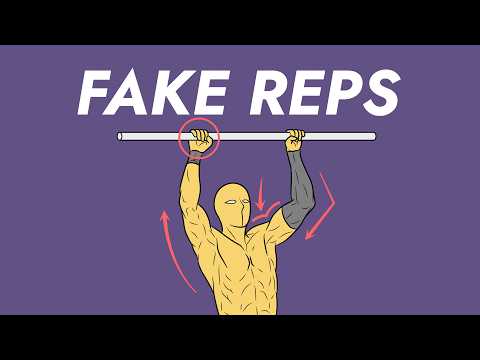
Many people struggle with pull-ups because they skip essential steps like starting from a dead hang, engaging the shoulder blades properly, using the correct grip, and maintaining the right body position. This article explains why these mistakes turn pull-ups into ineffective arm exercises and how to correct them for better back development and overall progress.
Pull-ups are often misunderstood and improperly performed, leading many to believe that changing grips or increasing reps will solve their problems. However, the real issue lies in four fundamental mistakes that most people make. Until these are corrected, your pull-ups are essentially just bicep curls, not the full back exercise they are meant to be.
The first and most common mistake is not performing a full pull-up. A proper pull-up begins from a dead hang:
Many people start their pull-ups halfway up, which means they only train half the muscle, half the range of motion, and get half the stimulus. Doing this repeatedly for months leads to stagnation and frustration. Cutting the range of motion essentially turns the pull-up into a different movement that doesn’t count as a full pull-up.
Key takeaway: Always start every pull-up from a dead hang, going all the way down before pulling up.
Before your arms bend during a pull-up, your shoulder blades need to pull down away from your ears. This scapular movement is what loads the lats and signals your back muscles to engage. Skipping this step causes your biceps and upper traps to take over, resulting in a shrugging motion to the top of the bar.
Studies have shown that most people feel pull-ups primarily in their arms and upper shoulders, with minimal activation of the lats, which defeats the purpose of the exercise.
Try the scapular pull-up:
This movement looks subtle but is crucial. Perform 10 scapular pull-ups before your regular sets to train your back to fire first, then your arms.
Many believe that a wide grip targets the lats more effectively, but multiple EMG studies show that lat activation is basically the same regardless of grip width. What changes is the stress on your shoulders, with wider grips often causing unnecessary joint discomfort.
The real issue is not wide versus narrow grip but whether your elbows track properly during the movement, which depends on shoulder positioning and scapular engagement.
Recommendation: Use a shoulder-width overhand grip and stop overthinking grip variations.
There are two camps regarding body position during pull-ups:
While the straight body position looks clean, it activates the front of your body, which works against the back muscles you want to train. An arched back with chest up keeps your posterior chain engaged throughout the movement, enhancing lat and back development.
Some worry that an arched spine is dangerous, but unlike a loaded deadlift, your spine isn’t under heavy load during a pull-up, making the arch safe.
Whether you cross your legs or not doesn’t significantly matter. What’s important is where your chest points at the top of the rep.
Next time you’re at the bar, try this:
Doing five reps with this technique will challenge your muscles more than ten reps of your previous method.
If you’ve been stuck with pull-ups, it’s likely because you’ve been training the wrong way. Fixing these four key mistakes will transform your pull-ups from ineffective arm curls into a powerful back exercise. For those interested in a comprehensive guide, there are detailed pull-up progression books available with over 300 illustrations and step-by-step instructions.
Start implementing these changes today and watch your pull-up count soar.