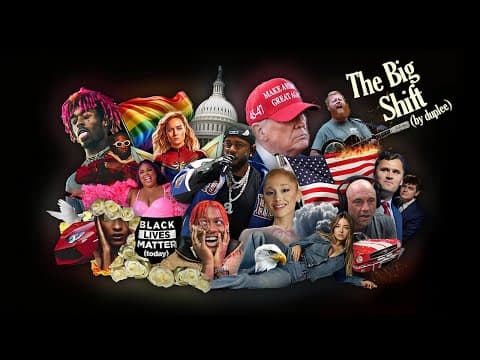
American Eagle's recent ad campaign featuring Sydney Sweeney has sparked backlash from leftist activists, but instead of caving to pressure, the brand has seen a surge in support. This reflects a broader cultural shift where corporations are recognizing the limits of woke activism and embracing traditional values. The failure of leftist boycotts signals a turning tide in American culture, as the majority begins to reclaim its voice and representation.
In recent events, American Eagle has made headlines for its unapologetic stance against the pressures of woke culture, particularly following backlash from leftist activists regarding its ad campaign featuring actress Sydney Sweeney. This situation highlights a significant cultural shift in America, where corporations are beginning to recognize the limits of activist influence and the importance of catering to the broader public.
Historically, leftist activists have wielded considerable power, often bullying corporations into compliance with their demands. However, recent trends suggest that this influence is waning. The collapse of brands like Bud Light, which faced severe backlash for perceived alignment with progressive values, has opened the eyes of corporate executives to the reality of consumer sentiment. The narrative that a small, vocal minority controls the culture is being challenged as more people express their dissatisfaction with this dynamic.
The controversy surrounding Sydney Sweeney and American Eagle began when activists attempted to label the brand as racist due to its ad campaign. The call for a boycott was met with unexpected resistance, as American Eagle stores across the nation experienced a surge in patronage. This response indicates that the public is increasingly tired of the narrative pushed by the activist left and is willing to support brands that reflect their values.
Reports from various American Eagle locations show packed stores, contradicting the activists' claims. Shoppers are flocking to the brand, demonstrating that the boycott efforts have largely fallen flat. This shift in consumer behavior suggests that the public is ready to reject the narrative of exclusion and embrace a more inclusive representation of beauty that includes traditional American aesthetics.
The situation with American Eagle serves as a microcosm of a larger cultural battle. The left's attempts to dictate the terms of representation and inclusivity are being met with resistance from a public that feels sidelined. The backlash against the idea that only certain demographics can be represented in media and advertising is gaining momentum.
While diversity is essential, the conversation around representation must also include the majority culture. The notion that celebrating white beauty is inherently racist is being challenged. Just as other countries showcase their majority cultures in advertising, America should also reflect its diverse population without erasing any segment of it. The call for a balanced representation that reflects the actual demographics of the country is becoming more prominent.
As demographic changes continue to reshape the American landscape, the cultural narrative is evolving. With nearly one in ten Americans born abroad and significant shifts in racial demographics, the idea of a singular cultural identity is becoming outdated. Instead, a more nuanced understanding of American identity is emerging, one that embraces both diversity and the historical context of the nation.
The failure of leftist boycotts signals a turning tide in American culture. Corporations are beginning to understand where the real cultural power lies, and they are responding accordingly. American Eagle's decision to double down on its campaign rather than retreat in the face of criticism is a testament to this shift. The brand's boldness in featuring Sydney Sweeney prominently in its advertising reflects a growing trend of embracing traditional values and aesthetics.
In conclusion, the backlash against American Eagle's ad campaign is not just about one brand; it represents a broader cultural shift where the majority is reclaiming its voice. The failure of leftist activism to sway public opinion indicates that the tides are turning. As American culture makes a comeback, brands like American Eagle are finding strength in their identity and values, signaling a new era where unapologetic patriotism and traditional representation can coexist with diversity. The woke mob may need to adjust to this new reality, as the cultural landscape continues to evolve.