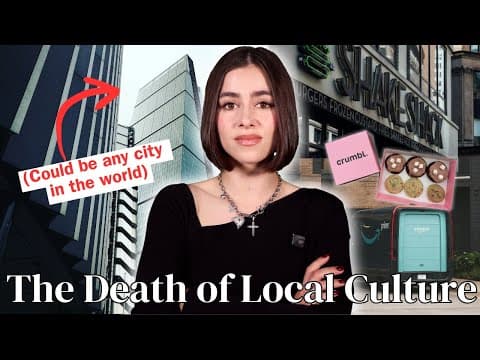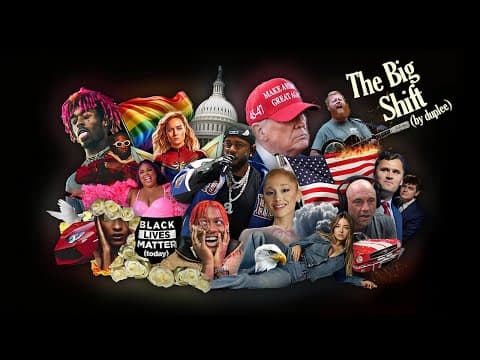
This article explores the significant cultural shift over the past decade, focusing on the transformation of hip-hop, the rise of social media activism, and the evolving societal attitudes. It outlines the five stages of cultural change, highlighting key moments from 2014 onwards, including the decline and resurgence of hip-hop, the impact of social justice movements, and the new cultural dynamics shaping today's world.
Things are changing. If you teleported someone from ten years ago to today, their first impression might be that not much has changed. Phones got bigger, prices went higher, and GTA6 still hasn't come out yet. But those of us who have actually lived through that period know the truth: nothing is the same.
A couple of years ago, hip-hop was the biggest genre in the world; now it's considered dead by many. Just yesterday, everyone was holding their tongue and staying politically correct. Now, nobody cares. Today, we want to answer the question on everyone's mind: "What the fuck happened?"
This article explores the five stages of a culture shift, using the last decade as a case study.
Welcome to the year 2014, at the tail end of President Obama's presidency. Social media platforms like Vine and Twitter (then called X) were popular, and Instagram filters and Vine videos were at their peak. The general vibe was joyful, with viral memes like "Deez nuts," "Got me," and "My name Jeff," alongside the ice bucket challenge and Pharrell Williams' hit song "Happy," which was the biggest song on the planet.
If "Happy" dropped today, it would likely flop, become a TikTok meme, and be categorized as "coworker music" within 48 hours. Despite the corny enthusiasm in pop culture, change was brewing beneath the surface.
Hip-hop had once been a massively successful and influential genre. However, by 2014, it seemed like those days were over. The charts showed the lowest presence of hip-hop in a long time, signaling that mainstream hip-hop was dead and in need of a spark to bring it back to the center of attention.
Simultaneously, social issues were gaining traction. The shooting of an unarmed African American teenager in Ferguson, Missouri, sparked nationwide outrage. Several disconnected examples of inequality crossed over from online virality to widespread public anger.
People were mad, and social media gave everyday individuals the power to make actual change. Movements for inclusivity in various sectors, including gaming, began to emerge.
In this stage, foundational ideas are shared among the collective. The vibes are in the air, and it is up to people to grab them and make them real. Most movements stop here, but some progress to the next stage.
Seeing the stale atmosphere left by hip-hop veterans, a new generation decided to try something different. By 2016, SoundCloud artists were blowing up overnight. These so-called "mumble rappers" focused less on lyricism or messaging and more on energy, swag, and melodies.
Initially, they were seen as a joke and not taken seriously. However, over time, these artistic choices formed a distinctive sound and aesthetic in the underground scene. With nothing happening in the mainstream, these fresh ideas began rapidly gaining traction.
In this stage, the new wave is in full effect and ascending rapidly. The culture feels untouchable, and people are fully immersed in the new dynamics.
For most rap fans, Kendrick Lamar represented everything Drake could not be. Kendrick's strength was not in radio hits but in creating meticulous, timeless bodies of work that set him apart from the rest of the rap scene.
Alongside the changes in music, social media activism and shifting societal attitudes contributed to a broader cultural transformation. The rise of social media platforms empowered individuals to voice their opinions and organize movements, leading to increased awareness and calls for change.
The political correctness that once dominated public discourse began to erode, replaced by a more candid and sometimes confrontational communication style.
The past decade has witnessed a profound culture shift characterized by the decline and resurgence of hip-hop, the rise of social media activism, and evolving societal norms. From the joyful vibes of 2014 to the complex cultural landscape of today, these changes reflect the dynamic nature of society and the power of collective movements.
Understanding these five stages of cultural change helps us appreciate how foundational ideas can grow into transformative movements that reshape our world.