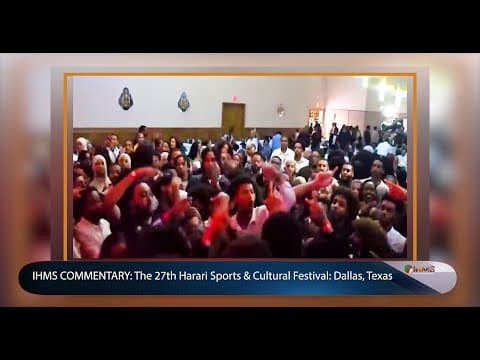
The 27th Harari Sports & Cultural Festival in Dallas showcased the vibrant heritage and unity of the Harari community. From sports competitions to cultural performances, the event emphasized youth leadership, community bonding, and the importance of preserving cultural traditions. With participation from Hararis worldwide, the festival was a testament to the strength of cultural identity and the role of the younger generation in shaping the future.
In the heart of Dallas, Texas, an extraordinary event unfolded from June 30th to July 6th, 2025. The 27th Harari Sports and Cultural Festival brought together thousands of Hararis from around the globe, creating a wave of joy, dignity, and unity. This annual homecoming, which began 27 years ago in Atlanta, has evolved into a vibrant showcase of heritage and a testament to the strength of Harari unity.
Families traveled from every corner of the world, including the US, Canada, Europe, Australia, and Ethiopia. The festival served as a reunion for elders and children, where strangers became kin, and diaspora-born youth found their place in the rich history of the Harari community. This year’s festival honored the legacy of ancestors while highlighting the growing role of the new generation. Youth born in the diaspora were not just participants; they emerged as visionaries, leaders, and organizers.
A ladies-led organizing committee, supported by a dedicated group of young volunteers, delivered one of the most inclusive and energetic festivals to date. Their fresh ideas and innovative approaches transformed the week into an intergenerational celebration of culture and connection. Local and international youth played a central role in designing the schedule, coordinating logistics, and ensuring that every voice in the community was heard.
The festival featured intense competitions with 16 football teams and nine basketball squads from the US, Canada, Australia, Europe, and beyond. This year, Memphis clinched the soccer trophy while Washington triumphed in basketball. The inclusion of girls in these sports showcased the evolving spirit of Hari sports culture. These games transcended mere competition; they fostered community building, encouraged healthy lifestyles, and taught valuable lessons in teamwork.
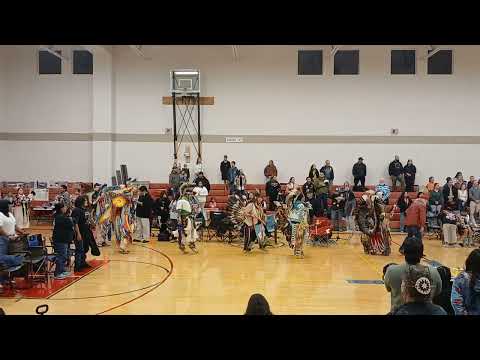
Hari culture was alive throughout the festival. On cultural day, the venue resonated with folk songs, poetry, and traditional instruments. Young performers captivated audiences with music, dance, and storytelling rooted in centuries-old traditions, yet presented with a youthful flair. Food stalls filled the air with the aroma of traditional Harari cuisine, while community elders shared stories, and children danced with their grandparents. The festival grounds transformed into a living museum of Harari heritage, showcasing the vibrancy of cultural identity.
At the heart of the Harari experience is faith. The festival included a molded celebration that brought families together for reflection and prayer. Spirituality remained central to the week’s events, with observances blending faith, family, and festivity. This aspect of the festival reinforced the moral and cultural fabric of the diaspora, providing a respectful environment for youth connections and engagements.
The festival attracted Hararis from across the globe, many of whom reunited for the first time in years. It created moments of healing, laughter, and lifelong connections, as generations came together and barriers dissolved. The commitment and passion of the youth were evident, as they worked tirelessly to elevate the celebration to an international stage.
The International Harari Media Services (IHMS) played a crucial role in documenting the festival. Through live streams and digital outreach, IHMS connected Hararis who could not attend in person, expanding the festival's reach to Ethiopia and beyond. Their efforts ensured that every moment was shared globally, uniting the Harari voice under one digital roof. IHMS serves as a collective memory and a vital resource for preserving the Harari story for future generations.
This year’s festival was not only a celebration of the past but also a vision for the future. By embracing youth leadership and reinforcing cultural values, the festival set a model for others to follow. As we look ahead to the 28th edition in Memphis, Tennessee, the torch of tradition is firmly in the hands of the younger generation. They are not just inheritors of culture; they are the architects of its future.
As the festival concluded, attendees were encouraged to continue practicing their cultural traditions. This includes sharing cultural art and technology, organizing traditional events, cooking family recipes, spending time with community members, learning about religious traditions, and speaking ancestral languages.
The 27th Harari Sports and Cultural Festival was more than just an event; it was a movement of unity, dignity, and purpose. It honored the past, celebrated the present, and built a future worthy of the Harari name. A heartfelt thank you goes out to the organizers, volunteers, artists, athletes, elders, and youth who made this festival a resounding success. Together, they preserved Harari values, culture, language, and religion, ensuring that the spirit of Harari unity continues to thrive.