The Kuba event in Dallas brought together the Haruri community, fostering cultural pride and identity among attendees. Participants shared experiences of connection, entrepreneurship, and the challenges of maintaining cultural heritage in a new environment. The event highlighted the importance of community and the need for cultural preservation amidst assimilation.
The recent Kuba event in Dallas was a vibrant gathering that exceeded expectations for many attendees. This annual celebration, which focuses on the Haruri community from Ethiopia, serves as a platform for cultural exchange, family reunions, and the preservation of heritage. In this blog post, we will explore the experiences shared by participants, the significance of the event, and the challenges faced by the Haruri community in maintaining their cultural identity.
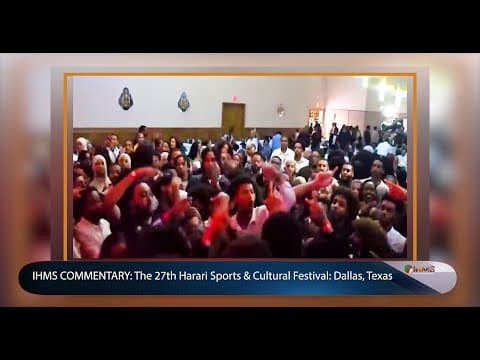
Kuba is an annual event that takes place around the Fourth of July, lasting about a week. It is organized by the Hurry Soccer Sports Cultural Federation and is a time for Haruri people, a small ethnic group from Ethiopia, to come together. The event is not just about soccer; it encompasses various cultural activities, family reunions, and opportunities for community bonding. Participants often travel from different parts of the world, including Seattle, Toronto, and Australia, to reconnect with family and celebrate their heritage.
Otto, one of the attendees, shared his initial low expectations based on past experiences in Dallas. However, he found this year's event to be much more inclusive and engaging. The variety of activities allowed everyone to participate and feel part of the community. This sense of belonging was a significant theme throughout the event, as many attendees expressed feeling rejuvenated and proud of their cultural identity.
The Kuba event showcased the entrepreneurial spirit of the Haruri community. Many business owners and creatives came together to display their work, from clothing lines to art exhibits. This collaboration not only highlighted the talents within the community but also fostered a sense of pride among attendees. The presence of various cultural artifacts, such as clothing and traditional foods, served as a reminder of the rich heritage that the Haruri people strive to preserve.
Despite the celebration, there are underlying challenges that the Haruri community faces, particularly regarding cultural assimilation. Many attendees shared their experiences of losing touch with their language and traditions after moving to America. The pressure to fit into a new culture often leads to a gradual loss of identity, as younger generations may not fully grasp their heritage.
The Kuba event serves as a crucial reminder of the importance of cultural preservation. As Otto noted, the Haruri community is one of the smallest ethnic groups in Ethiopia, making their efforts to maintain their culture even more vital. The event allows individuals to reconnect with their roots, learn about their history, and pass on traditions to future generations.
One of the highlights of the event was the mix and mingle session, which aimed to facilitate connections among attendees. However, the format of the event raised some concerns. Many participants felt pressure to engage in a dating-like atmosphere, which could be intimidating. Suggestions for improvement included making the event feel less formal and more relaxed, allowing for genuine connections without the pressure of expectations.
Attendees shared their thoughts on the social dynamics at the mix and mingle. Some felt that the pressure was not only on women but also on men, who often faced scrutiny for their approach. The challenge of making a good impression in a short amount of time added to the stress of the event. Participants expressed a desire for a more casual environment where they could interact without the weight of expectations.
The Kuba event in Dallas was more than just a cultural celebration; it was a powerful reminder of the importance of community, identity, and cultural preservation. As attendees shared their experiences, it became clear that events like Kuba play a crucial role in fostering a sense of belonging and pride among the Haruri people. While challenges remain in maintaining cultural heritage amidst assimilation, the spirit of the Kuba event serves as a beacon of hope for future generations to embrace their identity and celebrate their roots.