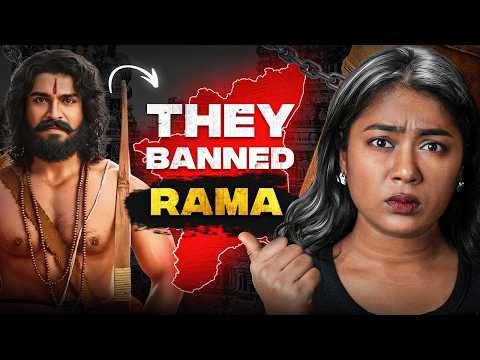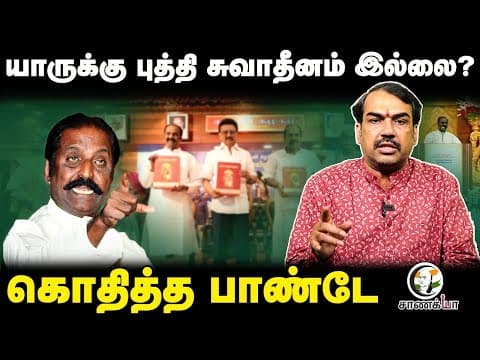
This blog post explores the recent speech by lyricist Vairamuthu regarding Lord Rama, examining the cultural implications and reactions it has sparked. It discusses the historical context, the role of language in shaping perceptions, and the responsibilities of public figures in addressing sensitive topics.
In recent discussions surrounding cultural narratives, lyricist Vairamuthu's remarks about Lord Rama have stirred significant controversy. This blog post aims to dissect these comments, their implications, and the broader cultural context in which they were made.
Vairamuthu, a prominent figure in Tamil cinema and literature, has a history of making provocative statements. His recent speech, delivered at an event in Thanjavur, touched upon the concept of "Buddhi Swadhinam" (intellectual independence) in relation to Lord Rama. This statement has been met with mixed reactions, prompting a deeper examination of its meaning and the historical references he invoked.
Vairamuthu's comments included references to Kambar, a revered Tamil poet, who is known for his epic rendition of the Ramayana. Vairamuthu suggested that Kambar's portrayal of Rama included elements that could be interpreted as lacking intellectual independence. This assertion has raised eyebrows, as it challenges long-held beliefs about the character of Rama in Hindu mythology.
Language plays a crucial role in shaping cultural narratives. Vairamuthu's choice of words has been criticized for potentially misrepresenting historical texts and figures. Critics argue that his interpretation could lead to misunderstandings about the values and teachings associated with Lord Rama, a figure who embodies dharma (righteousness) in Hindu tradition.
Public figures like Vairamuthu wield significant influence over public opinion. Their statements can either foster understanding or incite division. In this case, Vairamuthu's remarks have sparked a debate about the responsibilities of artists and intellectuals in discussing sensitive cultural topics. The backlash he faced highlights the delicate balance between freedom of expression and cultural sensitivity.
The response to Vairamuthu's speech has been polarized. Supporters argue that he is merely encouraging critical thinking and questioning established narratives. Conversely, many in the Tamil community feel that his comments disrespect a revered figure and could lead to cultural discord.
In the age of social media, statements made by public figures can quickly go viral, leading to widespread discussion and debate. Vairamuthu's comments have been dissected across various platforms, with many users expressing their outrage or support. This phenomenon underscores the power of social media in shaping public discourse.
Vairamuthu's remarks about Lord Rama have opened a Pandora's box of discussions about cultural narratives, the role of language, and the responsibilities of public figures. As society grapples with these complex issues, it is essential to approach such discussions with sensitivity and an understanding of the historical context. The ongoing dialogue surrounding these comments serves as a reminder of the importance of cultural respect and the need for thoughtful discourse in a diverse society.