This blog post offers crucial advice for artists struggling with their careers, emphasizing the importance of a professional portfolio, consistency in style, the need for constructive feedback, and the value of patience in artistic growth.
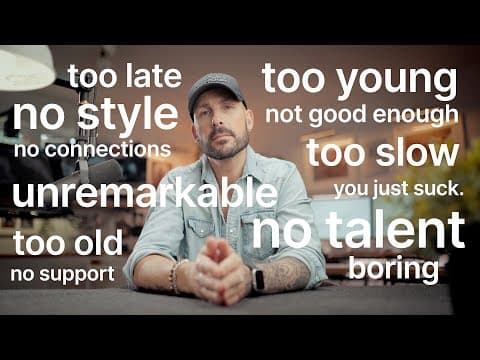
In today's art talk, Ed from LucidPixel shares some tough love and straightforward advice for artists who may be feeling discouraged in their careers. Drawing from his extensive experience in the art industry, Ed aims to provide a checklist that can help artists reflect on their approach and overcome obstacles to professional success.
One of the first points Ed addresses is the distinction between a professional portfolio and a student portfolio. Many artists, especially those in their early to mid-20s, struggle to understand this difference. A professional portfolio should showcase finished illustrations, concepts, designs, and fine art, rather than studies or schoolwork.
Ed uses the analogy of hiring an electrician to illustrate this point. Just as you wouldn't hire an electrician based solely on their tools, employers are looking for artists who can demonstrate skill and mastery in their craft. The tools learned in school—such as perspective, anatomy, and color theory—are essential, but they should not be the focus of a portfolio. Instead, artists should present their best finished work to demonstrate their capabilities.
Another critical aspect of a successful portfolio is consistency in style. Ed shares a personal story about applying for a job at Ubisoft, where he learned that while his technical skills were strong, the style of his work did not align with what the studio was looking for. This highlights the importance of developing a recognizable style that fits the needs of potential employers.
Establishing a personal brand takes time and experimentation. Ed emphasizes that artists should not flip-flop between styles but rather focus on developing a cohesive body of work that reflects their artistic identity. This consistency helps employers understand what an artist can bring to their projects.
Ego can be a double-edged sword for artists. Ed discusses how artists often tie their self-worth to their work, making them resistant to feedback. He stresses the importance of being open to constructive criticism and recognizing that feedback is meant to help, not hurt.
Successful artists are those who listen to feedback and apply it to their work. Ed encourages artists to take notes during critiques and to be proactive in seeking out advice. He shares that the most successful students he has mentored are those who actively engage with feedback and are willing to make changes.
Impatience is another common hurdle for artists. Ed points out that artistic growth is often a slow process, and progress may not always be visible. He explains that growth can feel flat-lined for periods, but breakthroughs often come after sustained effort and practice.
Artists should focus on enjoying the process of creating rather than fixating on timelines. Ed advises against seeking quick fixes and instead encourages artists to immerse themselves in their craft, understanding that a fulfilling career in art often takes years of dedication and hard work.
In conclusion, Ed's advice serves as a reminder that the path to artistic success is not always straightforward. By focusing on building a professional portfolio, maintaining consistency in style, being open to feedback, and exercising patience, artists can navigate the challenges of their careers. Remember, growth takes time, and every artist's journey is unique. Embrace the process, and keep pushing forward in your artistic endeavors.