This blog post delves into the rich history and characteristics of 17th century colonial art and architecture, highlighting its significance, styles, and the cultural influences that shaped it during this period.
The 17th century was a pivotal time for colonial art and architecture, reflecting the cultural, social, and political dynamics of the era. This blog post aims to explore the key characteristics, styles, and influences that defined this period in art and architecture.
The 17th century was marked by significant events that influenced art and architecture, including colonial expansion, the rise of mercantilism, and the establishment of new settlements in the Americas. As European powers sought to expand their territories, they brought with them their artistic traditions, which began to blend with indigenous styles and materials.
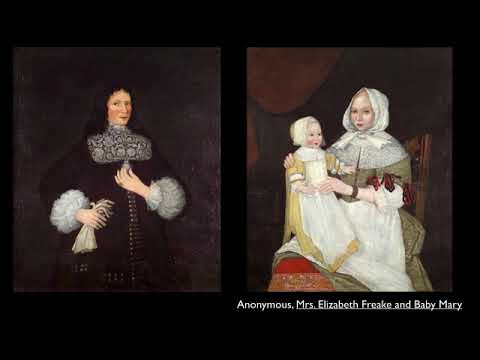
Colonial art during the 17th century was characterized by its diversity and adaptability. Artists often drew inspiration from European styles, particularly Baroque and Renaissance art, while also incorporating local themes and motifs. This fusion resulted in unique artistic expressions that reflected the cultural melting pot of colonial societies.
The architecture of the 17th century was heavily influenced by European styles, particularly those from Spain, France, and England. Colonial architecture can be broadly categorized into several styles:
Spanish colonial architecture is characterized by its use of adobe, tile roofs, and intricate wrought ironwork. Buildings often featured courtyards and were designed to adapt to the hot climates of the Americas.
French colonial architecture was marked by its elegance and symmetry. Structures often included steep roofs, large windows, and decorative elements that reflected the French Baroque style.
English colonial architecture varied by region but often included timber framing, brick construction, and gabled roofs. The use of local materials was common, leading to a distinct regional character.
The art and architecture of the 17th century were not only shaped by European traditions but also by the indigenous cultures of the Americas. This blending of styles resulted in a rich tapestry of artistic expression that reflected the complexities of colonial life.
Indigenous peoples contributed to the artistic landscape through their unique craftsmanship, materials, and designs. This influence can be seen in pottery, textiles, and decorative arts that incorporated traditional motifs and techniques.
The 17th century was a transformative period for colonial art and architecture, characterized by a dynamic interplay of European and indigenous influences. This era laid the groundwork for future artistic developments and continues to be a source of inspiration for contemporary artists and architects. Understanding this rich history allows us to appreciate the complexities of cultural exchange and the evolution of artistic expression in colonial societies.