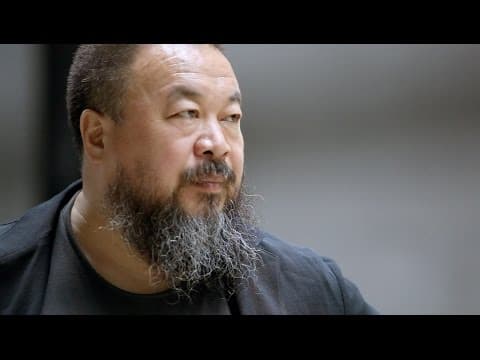
Ai Weiwei's installation of sunflower seeds at Tate challenges perceptions of art and tradition, showcasing the intricate process of porcelain production and the community's involvement in creating a contemporary piece that bridges history and modernity.
In the world of contemporary art, few installations have sparked as much curiosity and conversation as Ai Weiwei's Sunflower Seeds. This monumental work, composed of millions of handcrafted porcelain seeds, invites viewers to question their perceptions of art, tradition, and community. In an interview, Ai Weiwei shares insights into the creation of this piece, the cultural significance of sunflower seeds, and the collaborative spirit of the artisans involved.
At first glance, visitors to the installation might mistake the sunflower seeds for real ones. This initial impression is a deliberate choice by Ai Weiwei, who aims to challenge the audience's understanding of art. He notes that many people are surprised to learn that the seeds are not real, prompting them to engage more deeply with the artwork. This interaction is essential to Ai Weiwei's philosophy: art should provoke questions and open up possibilities for interpretation.
The sunflower seeds are produced in Jingdezhen, a town renowned for its porcelain craftsmanship. Historically, this town supplied porcelain to the Emperor's court, and the production process involves around 30 meticulous stages. Ai Weiwei has spent years exploring how to adapt these traditional techniques to contemporary art forms. He emphasizes the importance of maintaining the small scale of the seeds, which reflects both the intricacy of the craft and the collective effort of the community.
Creating the sunflower seeds is a massive undertaking that involves over 1,600 artisans from Jingdezhen. This community connection is vital, as nearly everyone in the town knows someone involved in the production. Ai Weiwei highlights the unique relationship between the artists and the local culture, where even taxi drivers discuss the significance of the sunflower seeds. However, there remains a disconnect; many locals struggle to understand the purpose of their work for an art exhibition.
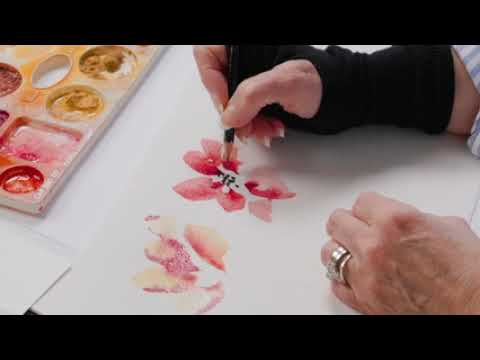
The production of sunflower seeds is reminiscent of traditional practices, with groups of artisans collaborating on different stages of the process. The painting of the seeds is particularly labor-intensive, requiring multiple strokes from skilled workers. Ai Weiwei describes how this method allows artisans to balance their work with daily responsibilities, such as caring for their families. This blend of tradition and modernity is a hallmark of Ai Weiwei's approach.
During the interview, Ai Weiwei speaks with an elderly artisan who has dedicated over thirty years to the craft. Their conversation reveals the deep-rooted connections between art, politics, and personal history. The artisan recalls how sunflower seeds have been symbolically linked to political figures like Chairman Mao, representing loyalty and support for the party. This historical context adds layers of meaning to the sunflower seeds, transforming them from mere objects into symbols of cultural identity.
Ai Weiwei reflects on the significance of the sunflower seeds installation at Tate, suggesting that the sheer quantity produced will leave a lasting legacy in the history of Jingdezhen. The project not only provides economic opportunities for the artisans but also fosters a sense of pride in their craftsmanship. As Ai Weiwei notes, the community's involvement in this contemporary art piece bridges the gap between tradition and modern expression.
Ai Weiwei's Sunflower Seeds is more than just an art installation; it is a celebration of community, tradition, and the transformative power of art. By engaging with the local artisans and incorporating their stories into the work, Ai Weiwei creates a dialogue that resonates with audiences worldwide. This project serves as a reminder of the importance of cultural heritage and the collective effort required to bring art to life.