The Smithsonian National Portrait Gallery's exhibit features seven Asian-American artists, each expressing their identity through unique artworks. The exhibit encourages visitors to question stereotypes and engage in conversations about Asian-American experiences.
The Smithsonian National Portrait Gallery, in collaboration with the Smithsonian Asian-Pacific American Program, has launched a significant exhibit titled "Asian-American Portraits of Encounter." This exhibit showcases the work of seven Asian-American artists, each contributing a unique perspective on what it means to be Asian-American. The exhibit aims to challenge stereotypes and provoke thought, inviting visitors to engage in meaningful conversations about identity and representation.
Each artist was allocated an entire exhibit room or hallway to display their work, allowing for an immersive experience. Here are some highlights from the featured artists:
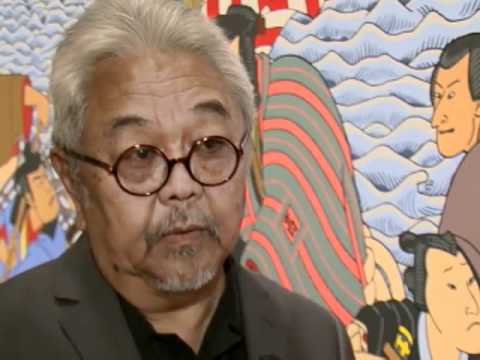
Roger Shimomura, a third-generation Japanese-American, has dedicated his career to combating racial stereotypes through his art. His series of five self-portraits places his image at the forefront, with one notable piece titled "Shimomura Crossing the Delaware." This painting is a reinterpretation of the iconic 19th-century artwork "Washington Crossing the Delaware," which depicts George Washington during a pivotal moment in the American Revolution.
Shimomura's intention was to insert himself into this historical narrative, raising questions about the representation of Japanese-Americans in American history. He reflects on the absurdity of imagining a Japanese-American in the role of George Washington, particularly in light of his own experiences during World War II, when he and his family were unjustly relocated to an internment camp. Shimomura's work serves as a powerful commentary on identity and belonging, challenging the notion of who can be considered a true American.
Shizu Salamando, who was born and raised in California, draws from her Japanese and Mexican heritage in her art. Her work addresses the discrimination faced by both ethnic groups, encouraging viewers to question their own stereotypes and assumptions. Salamando's art invites a deeper understanding of the complexities of identity and the intersections of culture.
C. Joo, a fine art photographer originally from South Korea, has created the "Kopo Project," which consists of 240 full-body portraits of Koreans from around the world. The term "kopo" refers to ethnic Koreans living outside of Korea. In the exhibit, 60 of these portraits are enlarged and displayed individually, showcasing the diversity and richness of the Korean diaspora. Joo's work emphasizes the importance of representation and the shared experiences of Koreans globally.
Hong Zhang, known as Zang Chang Hong in the United States, is a Chinese-born artist who explores her identity as an Asian-American woman through her art. She utilizes charcoal to create images of long, straight hair, presented as scroll paintings. This unique approach allows her to examine cultural identity and the societal expectations placed on Asian women.
Performance artist Ha Yoon Nam moved to the U.S. from Korea to pursue her studies in art. She depicts her struggles to adjust to a new culture through a four-part video self-portrait. In her work, everyday tasks become monumental challenges, reflecting the difficulties many immigrants face in adapting to a new environment.
Conrad In, the director of the Smithsonian Asian-Pacific American Program, emphasizes that the exhibit is not intended to lead visitors to a specific conclusion. Instead, it serves as a conversation starter, providing an opportunity for individuals to engage with the complexities of Asian-American identity. In notes, "This show is a terrific opportunity for people who want to understand what an Asian-American portrait of encounter would feel and sound like."
The exhibit encourages visitors to walk away transformed, with a deeper understanding of the Asian-American experience and a desire to ask more questions about identity, culture, and representation.
The "Asian-American Portraits of Encounter" exhibit at the Smithsonian National Portrait Gallery is a vital exploration of identity through the lens of art. By showcasing the works of diverse Asian-American artists, the exhibit challenges stereotypes and fosters dialogue about the complexities of cultural identity. It invites all visitors to reflect on their perceptions and engage with the rich tapestry of experiences that define the Asian-American community.