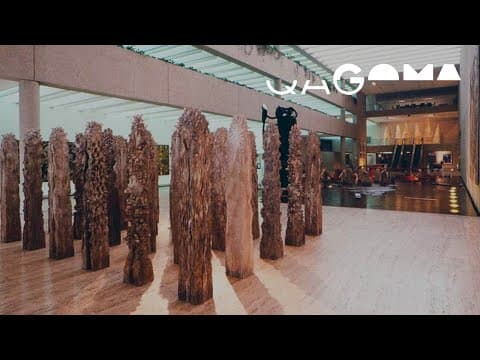
The first Asia-Pacific Triennial of Contemporary Art in 1993 showcased the rich diversity and complex identities of artists from the region, highlighting themes of spirituality, feminism, environmental concerns, and cultural heritage, while challenging Western art narratives.
The Asia-Pacific region is a tapestry of cultures, histories, and identities, and this complexity was vividly showcased in the first Asia-Pacific Triennial of Contemporary Art held at the Queensland Art Gallery in late 1993. This landmark event brought together artists from various countries, each contributing unique perspectives and narratives that reflect their cultural backgrounds and contemporary issues.
Many artists in the Asia-Pacific region have expressed a desire to move away from Western art influences and reconnect with their own cultural identities. This sentiment is particularly strong among contemporary Chinese artists, who grapple with questions about the existence and preservation of their culture in the face of modernization and globalization. The open-door policy in China has allowed for a significant exchange of ideas, yet artists are increasingly questioning what it means to have a distinct cultural identity.
The Asia-Pacific region is characterized by immense cultural and political diversity. The exhibition organizers recognized this diversity by displaying contemporary art that addressed common themes such as spirituality, environmental concerns, women's issues, and opposition to war and injustice. This approach challenged the notion of a singular Asian identity, emphasizing instead the rich variety of experiences and expressions found within the region.
Artists from various countries used their work to confront pressing societal issues. For instance, Jun's art, created from materials sourced from the world's largest garbage dump in Manila, critiques consumerism and its environmental impact. His work serves as a dramatic reminder of the unseen consequences of waste and pollution.
Contemporary artistic expression has also provided a platform for women to explore their roles in society. Artists like Lee Bul from South Korea and Brenda Fadoo from the Philippines focus on themes of identity and the challenges faced by women in their respective cultures. Their works reflect personal experiences and broader societal issues, highlighting the intersection of gender and cultural identity.
Many artists are not only looking to the present but are also revisiting traditional practices and beliefs. In New Zealand, artists are reclaiming indigenous myths and legends, while in Thailand, contemporary artists are blending traditional Buddhist motifs with modern themes to comment on the rapid changes in their society. This fusion of old and new illustrates the ongoing dialogue between tradition and contemporary life.
Art has also become a medium for political commentary. Thai artists, for example, address the consequences of economic development and the loss of cultural values through their works. The juxtaposition of traditional imagery with modern societal issues creates a powerful narrative about the challenges faced by their communities.
As globalization continues to shape the Asia-Pacific region, artists are increasingly aware of their responsibilities within a global context. Japan, for instance, has seen a rise in artists who reflect on their country's role in the world, using contemporary art as a means to express their perspectives on identity and responsibility.
The first Asia-Pacific Triennial was not just an exhibition; it was a significant step towards fostering greater cultural understanding and dialogue among the diverse nations of the region. The event highlighted the vitality of contemporary art and the importance of recognizing the unique identities that contribute to the broader narrative of the Asia-Pacific.
The Asia-Pacific Triennial of Contemporary Art in 1993 served as a crucial platform for artists to explore and express their identities amidst the complexities of modern life. By addressing themes of spirituality, feminism, environmentalism, and cultural heritage, these artists challenged preconceived notions of identity and showcased the rich diversity of the region. As the world continues to change, the dialogue initiated by this exhibition remains relevant, encouraging ongoing exploration and understanding of the multifaceted identities within the Asia-Pacific.