This blog post delves into the evolution of modernism in American sculpture and architecture during the first half of the 20th century, highlighting key artists, movements, and architectural innovations that shaped the era.
Modernism emerged as a progressive spirit in the early 20th century, influencing various art forms, including sculpture and architecture in America. This post will explore the key developments in modernism, focusing on notable artists and architectural innovations that defined this transformative period.
Before diving into the subject matter, it's important to note the upcoming final Khan Academy essay assignment due on March 5th at 9:00 a.m. Students are encouraged to explore sections on post-war American art and post-minimalism on the Khan Academy site as a foundation for their essays. The assignment requires a one-page double-spaced essay summarizing the chosen material and providing a personal response.
One significant figure in American sculpture during this period was Isamu Noguchi, a Japanese-American artist known for his biomorphic abstraction. His works often featured organic forms that retained a connection to reality while embracing abstraction. For instance, his sculptures deconstructed human figures into simplified geometric shapes, reflecting the intrinsic qualities of the materials used.
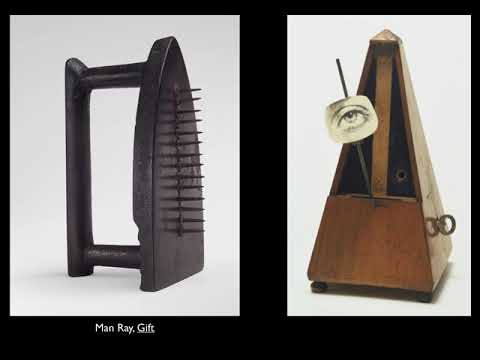
Another important artist was Man Ray, associated with the Dada and Surrealist movements. His work, such as "Gift," which features a flat iron adorned with thumbtacks, exemplifies the paradoxical nature of Dada art, challenging traditional notions of functionality and aesthetics. Similarly, his piece "Indestructible Object" combines a metronome with a photographic eye, further illustrating the surrealist influence on his work.
Sergeant Johnson, a sculptor from a multi-racial background, played a vital role in the Harlem Renaissance. His works often celebrated African American culture and identity, as seen in his sculpture that echoes themes from Edmonia Lewis's work on emancipation. Johnson's style was influenced by Mexican muralists and African tribal art, emphasizing the natural beauty and dignity of African American features.
As modernism took hold in architecture, the skyscraper became a symbol of American progress. The Chicago style of architecture, characterized by its functional design, laid the groundwork for skyscrapers in the early 20th century. A notable example is the Chicago Daily Tribune competition, which invited architects to submit designs for a new skyscraper. The winning design by Raymond Hood and John Howells combined functionality with neo-Gothic elements, showcasing a blend of modern and historical styles.
The Chrysler Building, completed in 1930, exemplifies the Art Deco style, featuring sleek metal cladding and geometric ornamentation that embraced industrialization. It was the tallest building in the world at the time, showcasing the architectural advancements of the era.
Following closely was the Empire State Building, completed in 1931, which surpassed the Chrysler Building in height. This iconic structure, known for its rapid construction, became a symbol of New York City and American resilience during the Great Depression.
The Rockefeller Center, a complex of 15 buildings, represented a new approach to urban planning, creating a "city within a city." Designed to address the challenges of urban life, it featured zoning laws that allowed for taller buildings while considering the surrounding environment. The RCA Building, now known as the GE Building, became a focal point of this architectural ensemble.
While modernism thrived in urban centers, the Arts and Crafts movement found its expression in California through architects like Charles and Henry Greene. Their Gamble House in Pasadena exemplifies the California variation of the Arts and Crafts movement, emphasizing handcrafted details and traditional materials like wood. Influenced by Asian architecture and bungalow styles, their designs celebrated craftsmanship and simplicity.
The exploration of modernism in American sculpture and architecture reveals a rich tapestry of innovation and cultural expression. From the biomorphic forms of Noguchi to the towering skyscrapers of New York, this era was marked by a desire to break from tradition and embrace the future. As we continue to study these movements, we gain a deeper understanding of their lasting impact on American art and architecture.