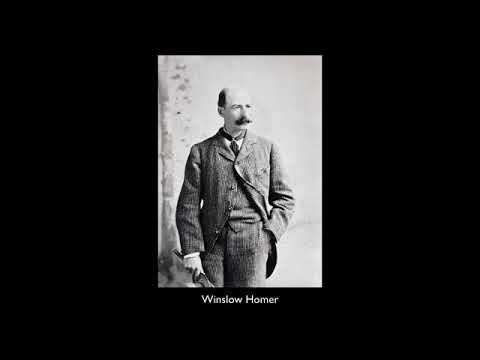
This blog post delves into the realism movement in 19th century American art, focusing on the works of Winslow Homer and Thomas Eakins. It discusses their unique approaches to art, the significance of their themes, and the impact of their works on the perception of nature and humanity.
In this exploration of realism during the second half of the 19th century, we will focus on two prominent American artists: Winslow Homer and Thomas Eakins. Both artists played significant roles in shaping the realism movement, which emphasized a straightforward and truthful depiction of contemporary life, rather than romanticized or idealized representations.
Before diving into the art, let's discuss some extra credit opportunities available for students. You can visit three different art museums virtually, focusing on their collections of American art and photography. The museums are:
For each museum visited, you can earn 10 points by submitting a one-page essay that includes:
Essays are due by March 15th at 9:00 AM Pacific Standard Time.
Realism emerged as a dominant movement in American art, literature, and music during the latter half of the 19th century. It focused on depicting life as it was, emphasizing the importance of being present in one’s own time. This movement rejected the escapism of previous artistic styles and sought to portray the truth of everyday experiences.
Winslow Homer is a central figure in American realism, and his work is particularly dear to many art historians. His watercolors, often depicting themes of survival and the struggle for existence, reflect a deep engagement with nature and humanity. Homer’s approach to watercolor was revolutionary; he utilized the medium not just as a preliminary sketch for oil paintings but as a primary form of expression.
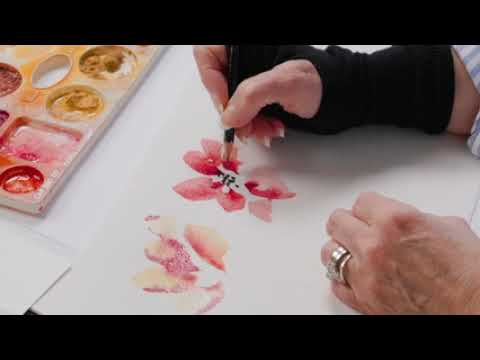
Homer’s watercolors showcased a range of techniques, from opaque applications to thin, fluid washes. He embraced the accidental effects of watercolor, allowing for ragged edges and the natural beauty of the medium to shine through. This approach was in stark contrast to the traditional view of watercolor as a secondary medium.
Many of Homer’s works explore the concept of Darwinian struggle, illustrating the competition between species and the harsh realities of nature. For instance, in his painting "The Mink Pond," he captures the delicate balance of life and death in the animal kingdom. Similarly, in "Right and Left," he portrays the hunter and hunted dynamic, emphasizing the brutal realities of survival.
While Winslow Homer focused on the interaction between humanity and nature, Thomas Eakins concentrated on the individual human experience. Eakins was not only an artist but also a teacher and a student of anatomy and mathematics, which informed his meticulous approach to painting.
Eakins is known for his penetrating psychological realism, often depicting friends and family engaged in recreational activities. His painting "Max Schmidt in a Single Skull" exemplifies his attention to detail and perspective, showcasing his friend rowing on the Schuylkill River. Eakins often included himself in his works, much like Alfred Hitchcock’s cameo appearances in films.
Eakins did not shy away from depicting subjects that were considered controversial at the time, such as boxing and surgery. His works, including "The Agnew Clinic" and "The Gross Clinic," presented graphic representations of medical procedures, challenging societal norms and expectations of art.
The exploration of Winslow Homer and Thomas Eakins reveals the depth and complexity of the realism movement in 19th century American art. Both artists, through their unique approaches and themes, contributed significantly to the understanding of humanity's relationship with nature and the struggles inherent in life. Their works continue to resonate, offering insights into the human condition and the world around us.