Romanticism emerged in the 19th century as a reaction against Neoclassicism, emphasizing individual emotions, nature, and national identity. This blog post delves into the historical context, key figures, and artistic expressions of Romanticism, highlighting its impact on various art forms and its enduring legacy.
The 19th century was a period of profound change and upheaval, marked by significant historical events and cultural shifts. From the rise of Napoleon to the advent of industrialization, this century witnessed a transformation in societal values and artistic expressions. One of the most notable movements to emerge during this time was Romanticism, which stood in stark contrast to the preceding Neoclassical ideals.
The Romantic movement began in the late 18th century and flourished throughout the 19th century, particularly in Europe. The early 1800s were characterized by:
Romanticism emerged as a reaction against Neoclassicism, which sought to emulate the classical ideals of beauty and order. While Neoclassicism emphasized universal truths and absolute values, Romanticism focused on:
Romantic artists prioritized emotional expression over technical perfection. They often portrayed intense feelings, such as passion, fear, and longing, reflecting the tumultuous spirit of their times. The artist was seen as an intellectual, deeply engaged with personal and societal ideals.
Nature played a crucial role in Romantic art, often depicted as grand and uncontrollable. Artists like Caspar David Friedrich captured the sublime aspects of nature, emphasizing its beauty and terror. His works often featured solitary figures dwarfed by vast landscapes, symbolizing the insignificance of humanity in the face of nature's grandeur.
Romantic artists were often seen as rebels against academic conventions. Many chose to leave traditional art academies to pursue their own visions, focusing on personal sentiment rather than adherence to established techniques. This shift allowed for a more authentic representation of human experience.
Friedrich is a key figure in German Romanticism, known for his evocative landscapes that often feature themes of solitude and introspection. His painting "Wanderer above the Sea of Fog" exemplifies the Romantic ideal of the individual confronting the vastness of nature.
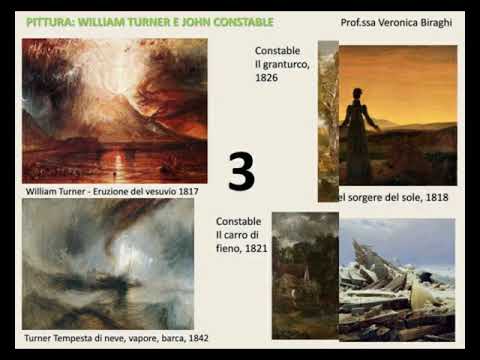
An English Romantic painter, Turner is celebrated for his dramatic depictions of nature, often portraying storms and tumultuous seas. His innovative use of color and light foreshadowed the emergence of abstract art, making him a precursor to modern artistic movements.
As the leading Italian Romantic painter, Hayez is best known for his work "The Kiss," which, while appearing romantic, carries political undertones related to Italian unification. His attention to detail and emotional depth made him a significant figure in the Romantic movement.
Delacroix's works, such as "Liberty Leading the People," embody the spirit of Romanticism through their vibrant colors and dynamic compositions. His art often depicted historical and political themes, emphasizing the struggle for freedom and individual rights.
The 19th century also saw significant architectural advancements, characterized by eclectic styles that blended various historical influences. Notable examples include:
Romanticism was a multifaceted movement that reshaped the artistic landscape of the 19th century. By prioritizing emotion, individual experience, and the beauty of nature, Romantic artists laid the groundwork for future artistic movements. Their legacy continues to influence contemporary art, reminding us of the power of personal expression and the enduring connection between humanity and the natural world.