This blog post delves into the various techniques and materials used in painting, highlighting the characteristics, advantages, and disadvantages of different types of paint, including watercolor, fresco, encaustic, tempera, oil, and acrylic. It also discusses the relationship between drawing and painting, the importance of surface preparation, and contemporary approaches to painting.
In this lecture, we will explore Chapter 7 of our textbook, which focuses on painting. We will discuss the characteristics of paint, the different types of paint used, and the advantages and disadvantages of each.
At the beginning of the chapter, we encounter a painting by Gerhard Richter, a modern artist known for selling his works for millions while still alive. This painting exemplifies two contrasting approaches to painting: the finely detailed, smooth background and the textured, expressive foreground. This juxtaposition illustrates the vast possibilities within the medium of painting, showcasing extremes and everything in between.
Drawing and painting are closely related, with drawing often serving as a brainstorming tool for artists. Many artists create preliminary drawings that evolve into paintings. Both mediums involve similar hand movements and gestures, whether using graphite pencils, charcoal, or paintbrushes.
Paint consists of three main ingredients: pigment, binder, and vehicle.
The surface onto which paint is applied is known as the support. This can include canvas, paper, wood, or even glass. Before painting, artists often prepare the surface with sizing and primer to ensure it can accept the paint without excessive absorption.
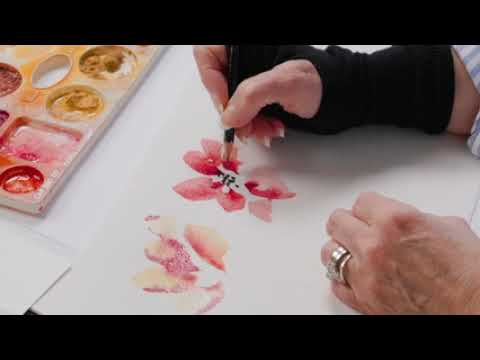
Watercolor paint is a mixture of pigments and gum arabic, a sticky, water-soluble substance. It is typically applied to paper, which absorbs the paint, allowing for translucency and transparency. A notable artist, Jamie Wyeth, uses watercolor in a unique way, applying it thickly rather than in traditional washes, showcasing the medium's versatility.
Fresco painting involves applying pigments to a fresh layer of plaster. This technique was prominent during the Renaissance, with masterpieces like Michelangelo's Sistine Chapel ceiling. The binder in fresco is the lime in the plaster, creating a chemical bond as it dries. Artists must work quickly, completing sections within a day.
Encaustic painting involves mixing pigments with hot beeswax. This ancient technique produces vibrant colors that can last for centuries. Dale Roberts demonstrates the process, emphasizing the layering and scraping techniques that create texture and depth in the artwork.
Traditional tempera paint consists of pigments mixed with egg yolk. It requires thin, translucent layers to build rich colors. The quick drying time necessitates careful planning, as artists cannot easily blend colors on the surface.
Oil paint, favored for its slow drying time, allows artists to work on details over extended periods. It is made by mixing pigments with linseed oil. This medium offers versatility, enabling thick applications (impasto) and fine details. Elizabeth Murray's shaped canvases exemplify innovative uses of oil paint, merging painting and sculpture.
Acrylic paint, developed in the mid-20th century, dries quickly and creates a flexible surface. It allows for rapid layering and can be thinned with water for various applications. Contemporary artists often experiment with acrylic in mixed media, creating unique textures and effects.
Modern artists are pushing the boundaries of traditional painting techniques. Some utilize toxic materials transformed into paint, while others explore the interaction between painted surfaces and digital media. These innovative approaches challenge our understanding of what painting can be.
The world of painting is rich and diverse, encompassing a variety of techniques and materials. From the delicate transparency of watercolor to the robust texture of encaustic, each type of paint offers unique possibilities for expression. As artists continue to experiment and redefine the medium, the art of painting remains a dynamic and evolving field.