The Baroque era, flourishing from the 1600s, is characterized by dramatic art and architecture aimed at evoking emotional responses. This blog post delves into the key features of Baroque art, its historical context, notable artists like Caravaggio and Bernini, and the cultural significance of this period in Europe and beyond.
The Baroque period, which reached its zenith in the 1600s, is a fascinating chapter in the history of art and architecture. Originating in Rome, it was heavily influenced by ecclesiastical commissions and the desires of nobility. The movement also gained significant traction in Spain, Portugal, and their colonies in Latin America. This blog post will explore the defining characteristics of Baroque art, its historical context, and the influential figures who shaped this vibrant era.
Baroque art is renowned for its dramatic, theatrical qualities, designed to astonish viewers with optical illusions and intricate details. The use of perspective in domes and walls of sacred buildings, as well as private residences, exemplifies this approach. Simplicity was eschewed in favor of complexity; curves became the preferred line, and the concept of horror vacui emerged, where every space was filled with decoration.
Interestingly, the term "Baroque" was coined by Enlightenment thinkers as a derogatory label, likely derived from the Portuguese word for "irregular pearl". This reflects the era's penchant for the extravagant and the unexpected, which often left viewers in awe.
The Baroque style served as a powerful tool for the Catholic Church during the Counter-Reformation, aiming to reclaim followers lost to Protestantism. Churches adorned with Baroque art invited the faithful to experience divine beauty and wonder, akin to modern cinematic spectacles. Entering a Baroque church in the 1600s was a breathtaking experience, designed to inspire awe and reverence.
Before the Baroque period, still life was rarely the main subject of a painting. However, artists began to explore this genre, with Caravaggio's Basket of Fruit often cited as the first autonomous still life. These works depicted inanimate objects like flowers, fruits, and musical instruments, often laden with symbolic meaning. For instance, flowers represented purity, while decaying fruit served as a reminder of life's transience.
The inclusion of skulls and hourglasses in still life paintings conveyed messages about mortality and the fleeting nature of life. As the genre evolved, its spiritual connotations diminished, becoming more decorative and less focused on moral lessons.
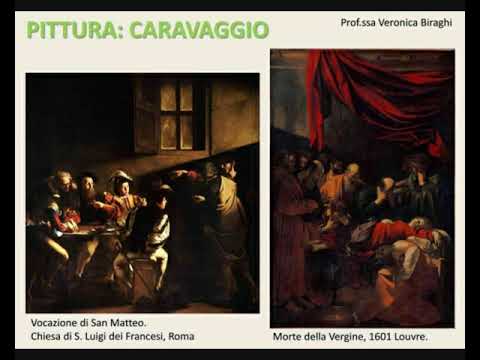
Caravaggio, born Michelangelo Merisi, revolutionized painting with his realistic depictions of human figures and dramatic use of light and shadow, known as chiaroscuro. His works often featured contemporary characters in biblical scenes, challenging traditional representations. His painting The Death of the Virgin sparked controversy due to its stark realism and unconventional portrayal of the Virgin Mary, leading to its rejection by the commissioning religious order.
Caravaggio's use of theatrical lighting and dramatic compositions created a sense of immediacy and engagement. His figures often appeared as if they were part of a stage play, blurring the lines between the sacred and the everyday.
Gian Lorenzo Bernini was a pivotal figure in Baroque art, excelling as a sculptor, architect, and scenographer. His work The Ecstasy of Saint Teresa in the Cornaro Chapel exemplifies his ability to merge sculpture with architecture, creating a theatrical experience that captures the viewer's imagination. The interplay of light and shadow, along with the use of colored marbles and gilding, enhances the spiritual experience.
Bernini's Apollo and Daphne captures the moment of transformation as Daphne turns into a laurel tree, showcasing his skill in conveying movement and emotion. His Fountain of the Four Rivers in Piazza Navona is another masterpiece, representing the four major rivers of the known continents, adorned with intricate sculptures and a functioning hydraulic system.
Baroque architecture is characterized by grandiosity and elaborate details. Bernini's design for St. Peter's Square in Vatican City exemplifies this, with its colonnades symbolizing the welcoming arms of the Church. The geometric precision and perspective calculations create an immersive experience for visitors.
Francesco Borromini, another key architect of the era, is known for his innovative designs, such as the church of San Carlo alle Quattro Fontane. His use of curves and unconventional shapes challenged traditional architectural norms, reflecting the Baroque spirit of creativity and expression.
The Baroque period also saw the rise of genre painting, depicting everyday life and common people. Artists like Annibale Carracci and Dutch painter Vermeer captured scenes of domesticity and social interactions, providing a glimpse into the lives of the middle class. These works, often smaller in scale, became popular among the bourgeoisie, contrasting with the grand historical and religious paintings favored by aristocratic patrons.
The Baroque era was a time of artistic innovation and cultural transformation. Through its dramatic art and architecture, it sought to engage and inspire audiences, leaving a lasting legacy that continues to influence artists and architects today. The works of Caravaggio, Bernini, and their contemporaries not only reflect the complexities of their time but also invite us to explore the depths of human emotion and spirituality.