This blog post delves into the fascinating world of Seal Script Chinese calligraphy, its historical significance, artistic appeal, and how it can be incorporated into modern home decor, particularly through the lens of Psalm 1 from the Chinese Bible.
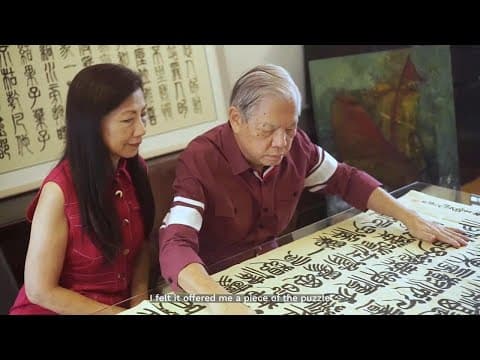
When guests first step into a home, they often find themselves enveloped in a serene atmosphere, accentuated by stylish design elements and contemporary touches. One intriguing aspect that captures attention in the living room is the artwork adorning the walls. Among these pieces is a unique form of art that resembles Chinese calligraphy but stands apart from the traditional styles we are accustomed to seeing. This artwork features words from Psalm 1 in the Chinese Bible, rendered in an ancient form of Chinese calligraphy known as Seal Script.
To understand Seal Script, we must first explore the rich history of Chinese writing. The origins of Chinese writing can be traced back approximately 3,000 years to the Oracle Bone Script, where pictographic characters were inscribed onto bones and turtle shells. This evolved into the Bronze Script during the Zhou Dynasty, which was used for decorative inscriptions on bronze ritual vessels and bells.
Around 220 BC, during the Qin Dynasty, the first emperor of China standardized a writing system for the unified states, which we now refer to as Seal Script. Over the centuries, Seal Script has undergone various transformations, leading to the development of clerical script, cursive script, running script, and the modern regular script we see today.
Seal Script is not only a historical artifact but also carries immense cultural significance. It possesses a unique expressiveness and aesthetic appeal that resonates with artists and calligraphy enthusiasts alike. The uniform rectangular shapes of Seal Script characters create a sense of balance and harmony.
The art of Chinese calligraphy emphasizes the dynamic interplay of rest and motion within each brush stroke. Among the various styles, Seal Script is noted for requiring the greatest amount of rest, symbolizing a meditative state with a focused mind.
The allure of Chinese calligraphy has always captivated many, including myself. A personal experience that deepened my appreciation for this art form occurred when a friend gifted me a piece of Seal Script during my visit to China. This encounter sparked my imagination and left a lasting impression, particularly as a third-generation Chinese individual living in Singapore. The artwork offered me a glimpse into my heritage, blending beauty with a sense of nostalgia.
The poetic nature of Seal Script, combined with its novelty, makes it an excellent conversation starter. To enhance its significance, I thought about incorporating Bible verses into the artwork, allowing it to serve as a blessing for friends and loved ones. This practice also serves as a reminder to pray for the Chinese community worldwide.
To bring this vision to life, we collaborated with two renowned calligraphy masters in China, Ranchin Chao and Chantee Allen. Together, we commissioned limited edition pieces of Psalm 1, each beautifully hand-brushed using the finest traditional materials. These exquisite works of art not only celebrate the beauty of Seal Script but also offer a meaningful way to share blessings.
Additionally, bespoke custom orders are available, making these pieces perfect gifts for commemorating special occasions such as weddings and birthdays.
Incorporating Seal Script Chinese calligraphy into home decor not only enhances the aesthetic appeal of a space but also connects individuals to their cultural roots. Let your walls speak with the beauty of ancient art, and consider sharing this unique form of expression with family and friends. For more information on acquiring these stunning pieces, visit our website.