This blog post delves into the Funk and Nut Art movements, highlighting their origins, key figures, and the cultural context that shaped them. It discusses the significance of the 1967 Funk Art exhibition, the emergence of Nut Art as a response, and the contributions of various artists, including Clayton Bailey and David Gilhooley, while emphasizing the importance of community and correspondence in these movements.
In the world of art, movements often emerge as responses to cultural shifts, societal norms, and the creative impulses of individuals. Today, we delve into the Funk and Nut Art movements, exploring their origins, key figures, and the vibrant community that fostered their growth. This discussion is inspired by a lecture presented by Goth Johnson, curator of ceramics at Arizona State University, who has dedicated his career to understanding and communicating the nuances of these artistic expressions.
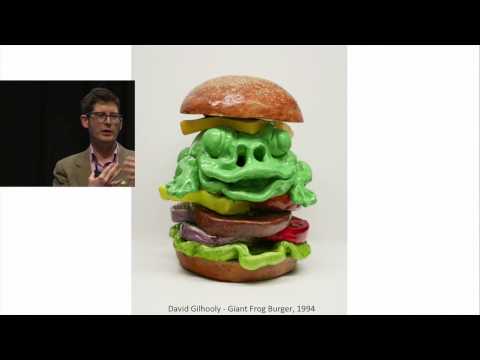
The Funk Art movement began in the late 1950s and gained significant traction with the 1967 exhibition curated by Peter Saul at the Berkeley Art Museum. This exhibition showcased a range of artworks that challenged traditional notions of ceramics and sculpture. Artists like Robert Arneson and David Gilhooley were pivotal in this movement, which was characterized by its playful, often irreverent approach to art.
The term "funk" took off after the 1967 exhibition, but there was a notable gap between the public's perception of funk and its actual artistic roots. The exhibition featured works that were not solely ceramic but included a variety of sculptural forms. Artists such as Joan Brown and Bruce Conner contributed to the Funk Art narrative, although many felt that the label was too limiting and did not encompass the broader context of their work.
The Funk Art exhibition was a landmark event that brought together Bay Area artists, but it was not without controversy. Many artists expressed their dissatisfaction with being categorized under the funk label, feeling it did not accurately represent their artistic intentions. This tension culminated in a symposium where artists voiced their frustrations, leading to a deeper exploration of what funk truly meant in the art world.
In response to the limitations of the Funk Art label, a new movement emerged: Nut Art. This movement was characterized by its whimsical and often absurd approach to art, embracing a sense of humor and playfulness that resonated with both artists and audiences.
Prominent figures in the Nut Art movement included Clayton Bailey, David Gilhooley, and Roy de Forest. Each artist brought their unique perspective and style, contributing to a rich tapestry of creativity. For instance, Clayton Bailey, known for his eccentric sculptures and alter ego George Gladstone, created works that often blurred the lines between art and humor.
Nut Art was not just a reaction to Funk Art; it was a fully realized movement with its own manifesto, penned by Roy de Forest. This manifesto encapsulated the spirit of Nut Art, emphasizing the importance of myth, reality, and the absurd in artistic expression. David Zach, a poet and critic, played a crucial role in articulating the philosophy behind Nut Art, highlighting its roots in community and collaboration.
A defining feature of both the Funk and Nut Art movements was the sense of community among artists. Correspondence art played a significant role in fostering connections and sharing ideas. Artists communicated through letters, exhibitions, and informal gatherings, creating a network that transcended geographical boundaries.
One notable venue for Nut Art was the Candy Store Gallery in Folsom, California, which showcased the works of various artists associated with the movement. This gallery became a hub for creative exchange and experimentation, further solidifying the Nut Art identity.
The Funk and Nut Art movements represent a fascinating chapter in the history of contemporary art. They challenge traditional notions of artistic expression and highlight the importance of community, humor, and creativity. As we reflect on these movements, we are reminded of the power of art to provoke thought, inspire dialogue, and foster connections among individuals.
In the words of David Zach, the birth of Nut Art was a spontaneous moment of creativity, born from a desire to explore new artistic territories. As we continue to celebrate these movements, let us honor the legacy of the artists who dared to push boundaries and redefine what art can be.