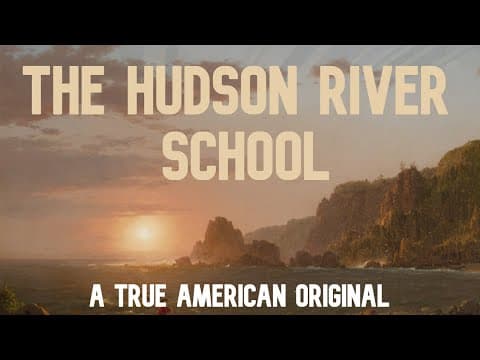
The Hudson River School was a pivotal 19th-century American art movement that celebrated the country's natural landscapes, led by artists like Thomas Cole. This movement not only defined American art but also inspired national pride and westward expansion. The blog discusses its origins, key figures, and lasting impact on American culture and the environment.
The Hudson River School is one of the most significant art movements in American history, representing the first true American art movement in the mid-19th century. This blog post delves into the origins, key figures, and lasting impact of this remarkable group of artists.
Contrary to popular belief, the Hudson River School was not a conventional school but rather a collective of like-minded artists who came together to create a distinctive American art style. This movement emerged during a time when American artists were struggling to establish their identity in the post-Revolutionary War era.
In the years following the Revolutionary War, American artists faced significant challenges. With no art schools in the United States, aspiring artists often traveled to Europe for training. The art produced during this time was largely unremarkable, consisting of colonial genre pictures and portraits that lacked a unique American identity. European critics often dismissed American artists, claiming they had no culture or history to draw from.
However, the United States possessed something unique: vast, untouched wilderness. This natural beauty would become the foundation for a new artistic movement.
The Hudson River School's story begins with Thomas Cole, a young artist who immigrated from England to the United States. Initially focused on portrait painting, Cole sought to carve out a unique niche for himself. He embarked on a journey up the Hudson River, sketching the breathtaking landscapes he encountered.
Cole's sketches evolved into three finished studio paintings, which he displayed in a New York City store window. These landscapes caught the attention of influential figures in the art world, sparking interest in the idea that landscapes could serve as primary subject matter in art.
Inspired by Cole's work, other artists began to explore the American landscape. They traveled to iconic locations such as Niagara Falls, the Catskill Mountains, and the White Mountains in New Hampshire, seeking new and exciting subject matter. Organizations like the National Academy of Design and the Art Union held exhibitions that showcased these works, attracting patrons eager to purchase paintings that represented America's potential.
As the movement gained momentum, artists became increasingly competitive, seeking out more dramatic and epic landscapes. The second generation of Hudson River School artists, including Frederick Church and Albert Bierstadt, ventured to places like South America, the American West, and even the Arctic, producing stunning artwork that captured the beauty of these regions.
The journeys undertaken by these artists were not just about creating art; they were true adventures. Traveling to Ecuador in the 1850s or crossing the United States to the Rocky Mountains in the 1860s was akin to an Indiana Jones expedition. Artists often sent updates back to newspapers on the East Coast, generating excitement and anticipation for their return and the artwork they would bring back.
Upon returning to their studios in New York, artists would transform their sketches into large-scale paintings, which were then displayed in grand exhibitions that attracted large crowds.
By the late 19th century, the art world began to shift. Younger, progressive artists showed less interest in American scenery, as much of the country had been explored and settled. The focus turned toward French Impressionism and everyday genre scenes, leading to a decline in the prominence of the Hudson River School.
Despite its decline, the Hudson River School left an indelible mark on American culture. It was not only the first unique artistic movement in the United States but also instilled a sense of self-confidence in a nation still finding its footing. The movement inspired westward expansion and played a crucial role in establishing the future National Park system.
The Hudson River School remains a favorite art movement for many, including the author of this blog post. It serves as a reminder of the beauty of the American landscape and the importance of exploration and creativity.
As a special announcement, the author plans to visit Upstate New York in the summer of 2022 to explore the locations painted by Hudson River School artists. This journey will involve sketching and painting on location, reliving the experiences of these pioneering artists. Readers are invited to join this adventure through vlogs that will document the journey, including hikes, visits to historic artist studios, and museums showcasing Hudson River School collections.