The Art of Disability Culture exhibition, curated by Fran Osborne at the Palo Alto Art Center, showcases the works of 20 artists with disabilities, emphasizing themes of inclusion, identity, and the lived experiences of disabled individuals. The exhibition runs from September 11 to December 11 and invites visitors to engage with art in new ways, reflecting on the intersection of disability and creativity.
Welcome to "The Art of Disability Culture" exhibition overview. Curated by Fran Osborne, this exhibition is hosted at the Palo Alto Art Center from September 11 to December 11. It features the works of 20 diverse artists, all of whom have disabilities and are either based in the Bay Area or have strong connections to it. This exhibition aims to engage everyone, encouraging multiple visits for deeper reflection.
As the final touches were added to the exhibition, it became clear that the timing could not be better. The artworks reflect a joyful complexity that resonates with the current global challenges, including the climate crisis and the pandemic. For many individuals with disabilities, these challenges are compounded by existential threats they face daily. The exhibition serves as a safe space for visitors to rest, recharge, and find moments of joy amidst chaos.
The exhibition celebrates the reality of the disability experience and promotes disability pride. It features innovative elements such as QR codes for audio descriptions recorded by the artists themselves and an interactive labyrinth created by blind interdisciplinary artist Maia Scott. Each artwork invites viewers to rethink their perceptions of art and engage with it beyond visual means.
Among the many works, portraits and self-portraits play a significant role in representing disability as a fact of life. They challenge the often skewed narratives surrounding disability, which typically focus on overcoming obstacles rather than acknowledging the presence and agency of disabled individuals. This exhibition demands authentic inclusion and highlights how society benefits when disabled people are seen and heard.
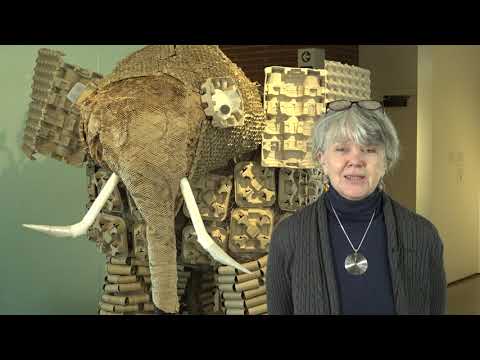
At the entrance of the Art Center, visitors are greeted by a life-size juvenile elephant and egret sculpture by local artist Matthaus Lam, who is autistic. The sculpture, made from discarded materials, showcases Matthaus's unique style and creativity, inviting viewers to appreciate the character and strength of the elephant.
Moving into the gallery, we encounter three portraits by Bill Bruckner, including a striking self-portrait. Bill's work emphasizes the importance of self-acceptance and the intense experience of sitting for a portrait, where both artist and subject must feel at ease.
Chad Allen's audio comic, "Unseen," offers a unique perspective as it features a blind assassin from Afghanistan. This work highlights the often-excluded voices of individuals with disabilities in contemporary narratives.
Michaela Oteri's digital portraits celebrate disability pride, including a poignant tribute to Stacey Milbern, a well-known disability justice activist. These works emphasize the importance of representation and the impact of activism within the disability community.
Don Katz, known as the Blind Potter, showcases ceramics that reflect his learning journey. His pieces, including the "Strawberry Basket," demonstrate the tactile nature of art and the importance of touch in the creative process.
A powerful symbol by Jennifer White-Johnson, combining the raised fist and infinity symbol, serves as a reminder of the ongoing fight for equity and representation for disabled people of color.
Rachel Ungerer's charcoal drawing, "Disabled Strong," speaks to the experiences of individuals with invisible disabilities, emphasizing the need for recognition and understanding.
The exhibition features works from various local art programs, including Creative Growth and Ability Path, which provide vital support for artists with disabilities. These programs foster collaboration and creativity, showcasing the rich tapestry of the Bay Area disability art scene.
At the center of the main gallery lies a labyrinth created by Maia Scott, inviting visitors to engage in a meditative journey. This interactive piece encourages contemplation and reflection, embodying the exhibition's themes of inclusion and exploration.
Katherine Sherwood's works challenge traditional art history narratives, particularly through her "Venuses of the Yelling Clinic" series, which critiques the male gaze and celebrates disability.
The Art of Disability Culture exhibition is a profound exploration of the intersection of disability and art. It invites visitors to engage with the works on multiple levels, fostering a deeper understanding of the complexities and joys of the disability experience. Through the diverse voices and perspectives presented, the exhibition underscores the importance of inclusion and the celebration of disability culture in our society. Visitors are encouraged to reflect on their own perceptions and to embrace the rich contributions of disabled artists to the cultural landscape.