Art serves various functions including creating beauty, enhancing environments, revealing truths, and immortalizing individuals. This blog post delves into these functions through historical and contemporary examples, illustrating how art reflects cultural values and personal experiences.
Art has long been intertwined with beauty, serving as a medium to create and reflect aesthetic values across cultures. This blog post explores the various functions of art, including its role in creating beauty, enhancing environments, revealing truths, and immortalizing individuals.
Art creates beauty, a concept that is deeply cultural and subjective. Standards of beauty are not universal; they shift and evolve within different societies. For instance, the classical Greeks developed mathematical formulas to render the human body in sculpture, aiming for a sense of majesty and perfection. However, beauty is perceived differently across cultures. In some non-Western societies, practices like tattooing and scarification are considered beautiful and sacred, contrasting sharply with Western ideals.
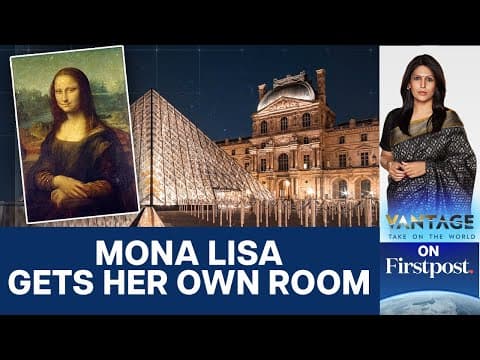
A notable example is Leonardo da Vinci's Mona Lisa, which epitomizes Western beauty standards. In contrast, the features of the Mona Lisa might seem alien or unattractive to individuals from different cultures, such as the Maasai woman from Kenya, who adorns herself with beaded jewelry and has cropped hair. This comparison illustrates that beauty is indeed in the eye of the beholder, shaped by cultural influences.
Art also enhances our environments, transforming ordinary spaces into aesthetically pleasing places. For centuries, artworks have been integrated into everyday life, from sculptures in gardens to decorative pieces in homes. A striking example is Dale Chihuly's Fiori di Como, a glass ceiling installation at the Bellagio Hotel in Las Vegas. This 70-foot-long piece creates an underwater illusion of colorful jellyfish, captivating visitors as they check in.
Similarly, Joyce Kozloff's Galap Placidia mosaic at the Penn Center in Philadelphia adds vibrancy to an otherwise dull area. Inspired by the original fifth-century chapel, Kozloff's work dazzles the eye and stimulates the intellect, providing a colorful oasis in a monotonous urban landscape.
Art serves as a powerful medium for revealing truths, both about the physical world and the artist's inner experiences. Robert Mapplethorpe's self-portrait starkly conveys his confrontation with death due to AIDS. His gaze and clenched fist communicate a painful yet confident acceptance of his fate.
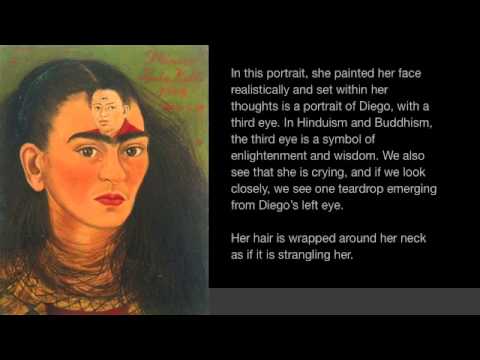
In contrast, Frida Kahlo's Diego in My Thoughts reveals her emotional turmoil stemming from her tumultuous relationship with Diego Rivera. Kahlo's realistic portrayal, combined with symbolic elements like the third eye and her tears, encapsulates her suffering and the complexities of love and pain.
Art has the unique ability to immortalize individuals and events, keeping them alive in public consciousness. Andy Warhol's Four Marilyns serves as a commentary on the commodification of celebrity. By presenting Marilyn Monroe's image in multiples, Warhol critiques how society packages and sells individuals, both in life and death.
Judy Chicago's The Dinner Party is another significant work that immortalizes women throughout history. This monumental installation features 39 place settings, each honoring a notable woman, from historical figures like Hatshepsut to artists like Georgia O'Keeffe. Chicago's work not only celebrates these women but also challenges the traditional boundaries of art and craft, advocating for artistic equality.
The functions of art are diverse and profound, encompassing the creation of beauty, enhancement of environments, revelation of truths, and the immortalization of individuals. Through historical and contemporary examples, we see how art reflects cultural values and personal experiences, making it an essential aspect of human expression and society. As we continue to explore the multifaceted nature of art, we gain a deeper appreciation for its role in shaping our world and understanding ourselves.