The Metropolitan Museum of Art in New York houses the most comprehensive collection of Chinese art outside Asia, showcasing over 5,000 years of Chinese culture through diverse artistic expressions. This blog post delves into the significance of Chinese art, its historical evolution, and its profound influence on Western culture, highlighting key artifacts and their stories.
America is home to numerous museums, each with captivating stories to tell. Among them, the Metropolitan Museum of Art (The Met) stands out for its extensive collection of Chinese art, which serves as a gateway to understanding the complexities of Chinese culture, philosophy, and history. This blog post explores the significance of Chinese art, its historical evolution, and its profound influence on Western culture, as showcased in The Met's galleries.
Chinese art is not merely a collection of beautiful objects; it is a reflection of the Chinese way of life, social practices, and philosophical beliefs. Despite the perception that China is rapidly westernizing, its rich cultural heritage remains steadfast and influential. The Met's Chinese Arts Wing offers a comprehensive overview of this ancient culture, which dates back over 5,000 years.
The collection at The Met is the most extensive outside of Asia, featuring artifacts from various periods of Chinese history. Visitors can explore a diverse array of materials, including jade, metal, clay, ivory, silk, and paper, each representing the skill and creativity of Chinese artisans. The museum provides a unique opportunity to learn about the people and culture behind these masterpieces, offering insights into the Chinese mind and its artistic expressions.
Historically, Chinese porcelain has been synonymous with the country's artistic identity. The invention of porcelain in China predates European ceramics by centuries, with the first prototypes dating back over 12,000 years. The Met's collection includes exquisite pieces, such as the rare red glaze known as "peit bloom," which showcases the intricate firing techniques of ancient artisans.
Chinese porcelain was highly sought after in Europe and America, leading to a flourishing export market. Wealthy collectors, such as Benjamin Altman, contributed to The Met's collection, which includes lavishly embellished export porcelain designed for European tastes. The simplicity of Chinese design, particularly in porcelain, reflects a deep cultural sensibility that values fluidity and elegance over complexity.
Jade holds a special place in Chinese culture, often regarded as a symbol of purity and virtue. The love for jade dates back to the Neolithic period, where it was meticulously polished into ritual shapes. The enduring significance of jade is evident in the intricate craftsmanship of jade artifacts from various dynasties, showcasing the material's cultural and spiritual importance.
The Bronze Age marked a significant period in Chinese art, characterized by the creation of ritual vessels used in ancestral worship. These bronzes, often intricately decorated, served as offerings to ancestors, reflecting the belief in the connection between the living and the divine. The Met's collection includes rare bronze ritual sets that provide insight into the spiritual practices of ancient China.
The introduction of Buddhism to China brought about a transformative shift in artistic expression. The Han Dynasty, known for its humanistic culture, saw the emergence of sculptures that depicted movement and emotion. As Buddhism spread, it influenced Chinese art, leading to the creation of monumental stone sculptures and intricate clay figures that blended Indian and Chinese artistic traditions.
During the Tang Dynasty, China experienced a cultural renaissance, marked by openness to foreign influences. This period saw the flourishing of landscape painting and the integration of Central Asian motifs into Chinese art. The Met's collection features works from this era that exemplify the harmonious blend of tradition and innovation.
The Ming Dynasty heralded a revival of interest in traditional Chinese aesthetics, emphasizing self-cultivation and scholarly pursuits. The art of this period often reflected political themes and the relationship between nature and humanity. The Qing Dynasty continued this legacy, producing exquisite lacquerware and jade artifacts that showcased the craftsmanship and artistic sensibilities of the time.
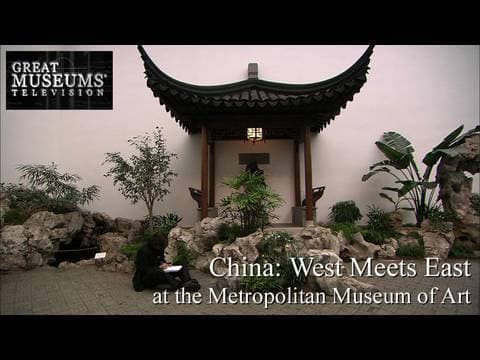
The heart of The Met's Chinese galleries is the Aster Court, a garden designed to embody essential aspects of Chinese art and architecture. Opened in 1981, this space invites visitors to experience the tranquility and beauty of a traditional Chinese garden, complete with rock formations and natural elements that reflect the harmony between nature and art.
The Metropolitan Museum of Art serves as a vital repository of Chinese art, offering a glimpse into a culture that has thrived for millennia. Through its diverse collection, The Met not only preserves the artistic achievements of China but also fosters a deeper understanding of its enduring influence on the world. As we explore these treasures, we gain insight into the rich tapestry of human experience that connects us all, transcending time and geography.