Chinese contemporary art has emerged as a significant global movement since the late 20th century, reflecting the country's rapid social and economic changes. This blog post delves into the history, key artists, and the cultural implications of this artistic renaissance, positioning it as a pivotal moment in the art world akin to the rise of American pop art.
In recent years, Chinese contemporary art has captured the global imagination, marking it as one of the most significant artistic movements since American pop art in the 1950s and 60s. This blog post explores the evolution of this movement, the artists at its forefront, and the cultural shifts that have influenced their work.
The roots of Chinese contemporary art can be traced back to the late 1970s, following Deng Xiaoping's open-door policy. This policy allowed for the first exhibitions of experimental contemporary art, breaking away from the constraints of the Cultural Revolution, during which art served as propaganda for the state. The late 1980s saw a pivotal moment with the exhibition "China Avant-Garde" at the National Museum, showcasing over 100 artists and marking the official recognition of contemporary art in China.
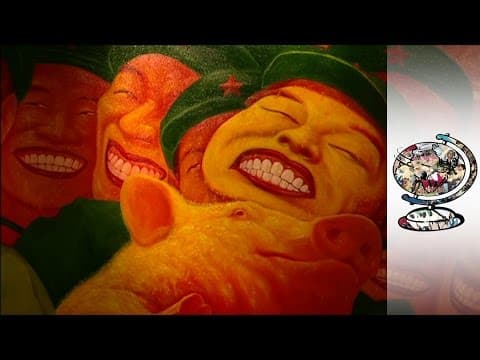
However, this progress was abruptly halted by the Tiananmen Square crackdown, which forced many artists into exile or underground. This period gave rise to movements such as political pop and cynical realism, characterized by bold representations of Mao and reflections on disillusionment among the youth.
Artists like Jian and the Lao brothers emerged during this transformative period, using their art to comment on the rapid changes in Chinese society. Jian's lumbering figures symbolized the disaffected youth, while the Lao brothers' gaudy art critiqued consumer culture, often selling for substantial sums.
Many artists, such as OCN, sought freedom abroad, allowing them to reflect on their Chinese heritage from a distance. OCN's porcelain busts express his cultural displacement, while others like Yang Jian Song and Li Shang Yang push boundaries with their irreverent observations of society.
The 798 Art District in Beijing has become a hub for contemporary art, revitalized by artists and intellectuals who transformed the area into a vibrant cultural center. This shift reflects the broader openness of Chinese society, allowing for greater interaction between local and international artists.
Chinese contemporary art often grapples with themes of social dislocation, wealth disparity, and the remnants of past political ideologies. Artists like Liu Xiaodong and Chen Wei Min capture the essence of modern life in China, addressing the complexities of identity and societal change.
Despite the progress, certain subjects remain taboo in Chinese art, including explicit depictions of sex and violence. Artists navigate these restrictions while still pushing the envelope, creating works that resonate with both local and global audiences.
In just three decades, Chinese contemporary art has transformed from a tool of propaganda to a vibrant and diverse cultural movement. This evolution has not only produced internationally recognized artists but has also positioned China as a significant player in the global art scene. As this movement continues to grow, it promises to leave an indelible mark on art history, ensuring that the stories and experiences of contemporary China are not easily forgotten.