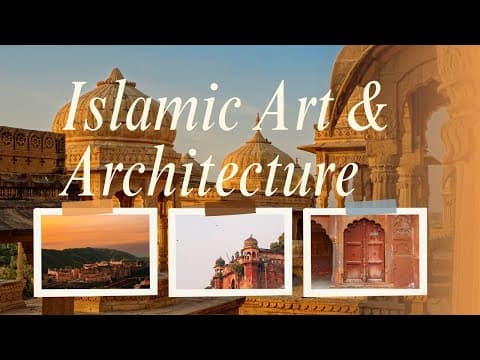
Islamic art and architecture reflect the spiritual essence of Islam through geometric patterns, calligraphy, and harmonious designs, emphasizing unity, balance, and a connection to the Divine.
Today, we will delve into how Islamic art and architecture beautifully reflect the spiritual essence of Islam. From intricate geometric patterns to grand structures, each element carries a deeper meaning that resonates with the core values of the faith.
Islamic art is a unique form of expression that transcends mere aesthetics. It embodies the fundamental principles of Islam, such as unity, balance, and a connection to the Divine. Unlike many other art forms, Islamic art typically avoids depicting human figures. Instead, it focuses on abstract patterns, calligraphy, and designs inspired by nature. These elements serve to reflect the infinite nature of Allah and the order inherent in His creation.
One of the most striking features of Islamic art is its extensive use of geometric patterns. These patterns are created by repeating shapes such as circles, squares, and stars. In the context of Islam, these designs symbolize the concept of infinity, suggesting that Allah's creation has no beginning or end. They also illustrate the beauty of order and symmetry, reminding us of the balance in the universe that Allah has established.
A relevant verse from the Quran, 5:57, emphasizes that everything in nature and creation possesses a perfect balance, a truth that is vividly reflected in Islamic art.
Another significant aspect of Islamic art is calligraphy, which involves the artistic writing of Quranic verses. This form of expression is regarded as one of the highest artistic endeavors in Islam. Calligraphy is not merely beautiful; it is deeply spiritual. The elegant script of Allah's words serves as a constant reminder of the Divine message.
In mosques and other Islamic structures, calligraphy often adorns walls and ceilings, surrounding worshippers with verses from the Quran. This practice helps individuals feel a profound connection to the words of Allah during prayer.
Similar to Islamic art, architecture also reflects spiritual beauty. Mosques are designed to be visually stunning while creating a peaceful environment for worship. Architectural elements such as domes, arches, and minarets possess both functional and symbolic meanings. For instance, the dome represents the heavens, while the minaret serves to call the faithful to prayer.
In Islamic architecture, balance and harmony are paramount. Symmetry is frequently employed to evoke a sense of peace and order. The courtyards and gardens within Islamic buildings are intentionally designed as tranquil spaces, symbolizing Paradise. This balance between beauty and functionality mirrors the Islamic value of moderation and harmony in all aspects of life.
Islamic art and architecture extend beyond mere decoration; they are profound reflections of spirituality. The intricate patterns and beautiful designs serve as reminders of Allah's greatness and the beauty of His creation. Whether through the verses of the Quran inscribed in calligraphy or the geometric patterns adorning a mosque's walls, Islamic art draws individuals closer to their faith.
In conclusion, Islamic art and architecture stand as powerful expressions of faith. They intertwine beauty, balance, and spirituality, reminding us of the Divine presence in every facet of life. The next time you encounter an Islamic building or piece of art, take a moment to appreciate not only its aesthetic appeal but also the spiritual significance that lies beneath the surface.