Mannerism, a distinctive art movement following the High Renaissance, is characterized by tense compositions, exaggerated proportions, and a cold color palette. Artists experimented with scale, perspective, and traditional subject matter, leading to innovative yet often unsettling works. This blog post delves into the historical context, key traits, and the eventual decline of Mannerism, highlighting its significance in the evolution of art.
Mannerism is an art movement that often receives less attention in art discussions, overshadowed by the grandeur of the High Renaissance. This blog post aims to shed light on the unique characteristics of Mannerism, its historical context, and its significance in the evolution of art.
Mannerism emerged as a reaction to the ideals of the High Renaissance, which was dominated by artists like Leonardo da Vinci, Raphael, and Michelangelo. The atmosphere during the Mannerism movement was one of experimentation and adventure, reminiscent of the modern art period where artists sought to redefine artistic expression. Mannerist artists admired the masters of the High Renaissance and often emulated their work, but they also sought to push the boundaries of creativity.
One of the most notable traits of Mannerist art is the tension and instability in compositions. Unlike the harmonious and balanced arrangements of the High Renaissance, Mannerist works often feature cropped figures and a lack of breathing room. For example, comparing Leonardo's Last Supper with Tintoretto's version reveals a stark contrast; Tintoretto's composition is packed with action and detail, making it difficult for the viewer's eye to find a resting point.
Mannerist artists frequently experimented with scale and perspective, creating compositions that feel unrealistic and jarring. A prime example is Parmigianino's Madonna with the Long Neck, where the perspective is exaggerated to the point of distortion, with figures appearing unnaturally elongated and crammed together.
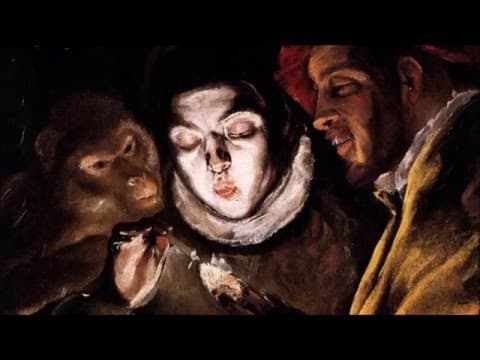
The color palettes used by Mannerist artists often have a cold tint, described as acidic. This is particularly evident in the portrayal of human figures, which tend to have extremely pale, almost porcelain-like skin tones. This choice of color contributes to the overall unsettling atmosphere of Mannerist works.
Mannerist artists often depicted figures in unnatural poses that defy logic. For instance, in Bronzino's Venus and Cupid, the figures are arranged in awkward positions that suggest discomfort and instability. This experimentation with anatomy includes elongated limbs and torsos, influenced by the rediscovery of Hellenistic sculptures.
Mannerist artists were not afraid to reinterpret traditional subject matter in unusual ways. For example, Bassano's depiction of the Baptism of Christ takes place at night, a stark departure from the typical daytime setting. Additionally, artists like Jean Boulogne created works that prioritized composition over narrative, exemplified in his Rape of the Sabine Women, where the focus was on the arrangement of figures rather than the story itself.
Sculptures from the Mannerist period, such as Jean Boulogne's Giant Colossus, showcase the experimental nature of the movement. This monumental work featured intricate details, including water features and interior rooms, reflecting the artists' desire to create immersive experiences.
The Mannerism movement began to wane with the onset of the Council of Trent, a series of meetings that sought to establish guidelines for art in Catholic churches. The Council emphasized clarity, piety, and realism in religious art, which directly contradicted the ethos of Mannerism. As a result, the movement faded, giving way to more traditional artistic expressions.
Mannerism represents a fascinating chapter in art history, characterized by its experimental nature and departure from the ideals of the High Renaissance. By understanding the unique traits and historical context of this movement, we can appreciate the innovative spirit of Mannerist artists and their contributions to the evolution of art. If you have any questions or thoughts about Mannerism, feel free to leave them in the comments below.