The Venus of Urbino by Titian is a significant Renaissance painting that celebrates female beauty and sexuality, using contrasts in color and texture to engage viewers. The painting's symbolism and historical context reveal its role in discussions of gender and power in art.
The Venus of Urbino, painted by the renowned artist Titian, stands as a remarkable adaptation of classical tradition and a celebration of female nudity. This masterpiece not only showcases the artist's skill but also invites viewers to engage with the themes of beauty, sexuality, and the societal perceptions of women during the Renaissance.
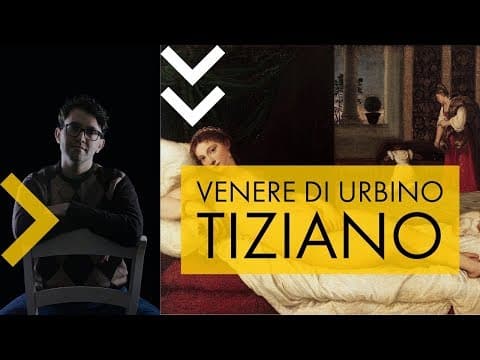
Titian's approach to the Venus of Urbino is characterized by a masterful use of color and form. The artist employs warm shades that transition from illuminated areas to shaded regions, creating a sense of depth and texture. The body of Venus is depicted as a glossy surface, soft and smooth, contrasting sharply against the dark green velvet background. This contrast serves to guide the viewer's gaze toward the reclining figure, emphasizing her sensuality.
The shiny skin and flowing locks of hair are rendered to appear inviting, while the bouquet of red roses, delicately held by Venus's slightly open fingers, serves as a metaphor for her hidden genitals. This juxtaposition of elements enhances the painting's erotic undertones. The fabrics surrounding Venus are depicted with a sensual quality, their creases adding to the overall allure of the composition. In contrast, the hard metal of the jewelry worn by Venus accentuates her soft curves, balancing the delicate eroticism of the nude figure.
Venus, in this painting, invites admiration for her feminine form while simultaneously challenging the viewer's motivations for gazing upon her. The canvas is divided by a heavy dark curtain, symbolically separating two realms: the intimate space of Venus and the domestic life of the two women in the background. This division prompts the observer to reflect on their own intrusion into this private moment.
The figure of Venus embodies the ideal Renaissance woman, symbolizing love, beauty, and fertility. However, the identity of the woman portrayed has been a subject of speculation. Many art historians suggest that she may be Titian's lover rather than his wife, as the painting's explicit nature seems too bold for a married woman of the wealthy class. Despite the uncertainty surrounding her identity, it is known that the painting was commissioned by Guidobaldo II della Rovere, Duke of Urbino, for his young wife Giulia Varano, likely hanging in their bridal chamber.
In the background of the painting, a tree of myrtle symbolizes eternal devotion, while a spaniel dog, crouching on the bed, represents loyalty. The bouquet of roses further emphasizes themes of love and fidelity. These elements collectively enhance the narrative of the painting, intertwining the themes of beauty and commitment.
The Venus of Urbino is not merely a standalone work; it represents a significant milestone in the portrayal of the female nude throughout the history of art. This painting marks one of many stages in the evolving representation of women, responding to changing customs and societal norms. The discourse surrounding gender and power continues to be relevant, as the depiction of nudity in art has evolved over the centuries.
Titian's Venus of Urbino remains a timeless piece, immobile for five hundred years yet continually provoking discussions about femininity, sexuality, and the viewer's gaze. As art history progresses, the questions surrounding the body and its representation will persist, ensuring that this masterpiece remains a focal point in the study of art and its societal implications.