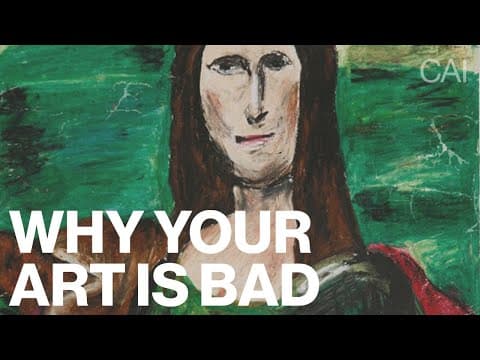
This blog post explores four common mistakes that can hinder an artist's success, including poor inspiration sources, predictable materials, lack of consistency, and vague subject matter. It provides actionable solutions to help artists improve their work and gain recognition in the art world.
Are you struggling to sell your artwork or find an audience? Do you feel that your art is not being taken seriously by galleries or the art community? Or perhaps you are simply dissatisfied with your own creations? In this post, we will discuss four common mistakes that can lead to unsuccessful art and how to fix them.
Creating a successful career as an artist begins with producing good art. While networking and connections are important in the art world, they cannot replace the need for quality artwork. Good art is essential for attracting collectors and thriving in the right environments. However, the subjective nature of art can make it challenging to determine what constitutes "good" art.
The first mistake many artists make is drawing inspiration from the wrong sources. In today's digital age, social media algorithms often dictate the art we see, leading us to focus on visually appealing but shallow works. This can stifle the development of a refined taste in art.
To cultivate a better understanding of art, seek inspiration from established masters. Visit top art galleries and museums to explore the portfolios of successful artists. This exposure will help you appreciate the subtleties of high-quality art and refine your own artistic voice. Learning from those who have been validated by seasoned collectors and critics can provide a solid foundation for your own work.
Another common pitfall is relying on easily accessible materials. Many artists use standard supplies like acrylic paint on pre-stretched canvases, resulting in predictable and generic artwork. This approach can lead to a lack of originality and creativity.
To stand out, experiment with unconventional materials and techniques. Develop a unique formula for your art that reflects your personal style. For instance, consider using alternative surfaces like rugs or velvet, which can alter the way paint interacts with the medium. By doing so, you will not only differentiate your work but also begin to find your artistic voice.
Inconsistency in style or theme can confuse audiences and dilute the impact of your work. When artists jump from one style to another without a clear connection, it becomes difficult for viewers to engage with their art.
Focus on developing a coherent body of work that showcases your artistic journey. This does not mean you must confine yourself to a single style, but rather that your work should have a recognizable thread that ties it together. Consider creating series or themed exhibitions that allow viewers to see the evolution of your ideas and techniques. This approach will enhance the overall experience for your audience and leave a lasting impression.
Many artists struggle with overly broad or clichéd subject matter. Themes like love or emotions can be too vague and fail to resonate with viewers. Additionally, a linear narrative can make your art feel like a sales pitch rather than an engaging conversation.
To create more compelling art, focus on specific topics that interest you and develop them over time. Aim for multiple layers of meaning in your work, allowing for various interpretations. This complexity will make your art more engaging and thought-provoking, encouraging dialogue among viewers. A well-crafted artist statement can also help clarify your intentions and excite galleries and collectors.
Improving your art involves recognizing and addressing common pitfalls. By refining your sources of inspiration, experimenting with materials, ensuring consistency, and developing specific subject matter, you can enhance the quality of your work and increase your chances of success in the art world. Thank you for reading, and we hope these insights help you on your artistic journey.