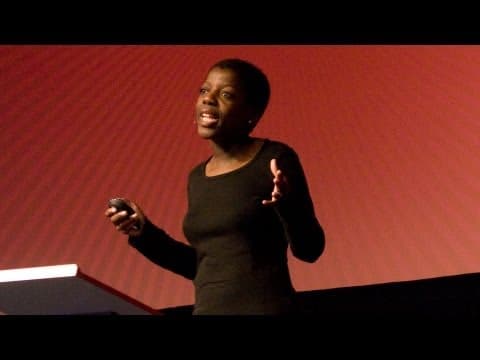
Thelma Golden discusses the transformative power of art in shaping cultural narratives, particularly through the lens of Black artists. She emphasizes the role of museums as catalysts for community dialogue and the importance of understanding art's impact on identity and history.
Art has always been a powerful medium for expressing cultural narratives and shaping societal change. Thelma Golden, a prominent curator and director of the Studio Museum in Harlem, explores this dynamic relationship between art and culture, particularly focusing on the contributions of Black artists. In her talk, she reflects on her journey and the pivotal role that art plays in understanding identity and history.
Golden begins by acknowledging the profound impact that artists have had on her understanding of culture. She cites the playwright Audrianne Kennedy and the television character JJ from Good Times as significant influences in her life. These figures represent the broader narrative of Black representation in the arts, highlighting the importance of visibility and the potential for art to redefine cultural identity.
As a curator, Golden's mission is to create new narratives within art history. She emphasizes the need to understand the artist's studio as a laboratory for innovation and the museum as a think tank for cultural dialogue. Her exhibition titled "Blackmail," held at the Whitney Museum in 1994, exemplifies this approach. It examined the intersection of race and gender in contemporary American art, featuring over 20 artists who explored Black masculinity from diverse perspectives.
During the exhibition, Golden encountered a powerful moment when a visitor expressed concern about the representation of Black individuals in art. This interaction underscored the significance of images in shaping self-perception and societal understanding. Golden highlights the importance of recognizing the racial identities of artists and the narratives they convey through their work, challenging preconceived notions about representation.
Golden's work is deeply rooted in Harlem, a historic center for Black culture and creativity. She describes Harlem as a community that simultaneously reflects on its past, present, and future. This unique perspective informs her curatorial practice, prompting her to consider how museums can serve as catalysts for community engagement and transformation.
At the Studio Museum in Harlem, Golden advocates for the idea that museums can house artists and empower them to be change agents within their communities. She reflects on the museum's founding in the late 1960s, a time of significant social upheaval, and its ongoing mission to celebrate and elevate the contributions of African-American artists.
Golden's current project involves a series of exhibitions titled "Freestyle Frequency and Flow," aimed at discovering and defining the work of young Black artists. She introduces the concept of "post-black" art, which encourages artists to engage with historical narratives while creating contemporary works that resonate with current cultural dialogues.
Through her exhibitions, Golden seeks to address critical questions about what it means to be African American in today's society. She emphasizes the importance of community and the role of artists in fostering dialogue about race, identity, and cultural representation. The excitement and energy that young artists bring to their work are vital for understanding contemporary issues and envisioning a more inclusive future.
Golden's vision extends beyond Harlem, as she aims to reimagine cultural discourse in an international context. Her latest project, "Flow," focuses on artists born on the African continent, exploring their contributions to global conversations about culture and identity. This initiative highlights the interconnectedness of artistic expression and the potential for cross-cultural dialogue.
Thelma Golden's insights into the relationship between art and cultural change reveal the transformative power of artistic expression. By fostering dialogue and understanding through exhibitions, she champions the role of artists as catalysts for social change. Her work not only celebrates the legacy of Black artists but also invites us to reflect on our own identities and the narratives we create within our communities. Through art, we can engage in meaningful conversations about beauty, power, and the human experience, ultimately shaping a more inclusive cultural landscape.