In a world overwhelmed by constant negative news, social unrest, and polarized ideologies, Stoic philosophy offers timeless wisdom to maintain calm and perspective. By recognizing the alarmist nature of media, understanding human nature, and focusing on what we can control, we can navigate these troubled times with resilience and compassion.
The world today appears to be in a state of continuous crisis. Over the past several years, we have faced a pandemic, a war in Europe, and numerous unsettling global events. These challenges have created a pervasive atmosphere of doom and gloom, affecting millions of people worldwide. Even those who try to avoid the news find themselves drawn into the chaos through conversations and social media.
Many people feel more worried about the future now than they did a decade or more ago. The constant barrage of negative news, injustice, animosity, and conflict creates a sense of an impending disaster. Moreover, ideological clashes—left versus right, liberal versus conservative, west versus east—have polarized entire nations, fracturing families and friendships.
In such times, it is natural to ask: How can we maintain our composure and find peace amid such turmoil?
The ancient Stoics lived through periods of social unrest, geopolitical tension, and political instability. Their philosophy was shaped by these uncertainties, and they offered profound insights that remain relevant today.
Stoicism teaches us to focus on what is within our control and to cultivate inner tranquility regardless of external circumstances. Revisiting Stoic texts can provide guidance and reflection on how to approach today’s global challenges.
One of the most pressing issues today is the overwhelming presence of alarming news. Military conflicts, trade wars, and other crises dominate headlines worldwide, even in places far removed from the events themselves. For example, neighbors in a small Belgian village might discuss warships in the Taiwan Strait, or American truck drivers might debate the supposed downfall of Europe.
This widespread discussion is fueled by the media, which often sensationalizes events to capture attention. Philosopher Arthur Schopenhauer noted that journalism tends to exaggerate and blow things out of proportion, as alarmist headlines sell better and attract more viewers.
The business model of many news outlets and influencers relies on creating a sense of urgency and fear, which can increase anxiety among audiences.
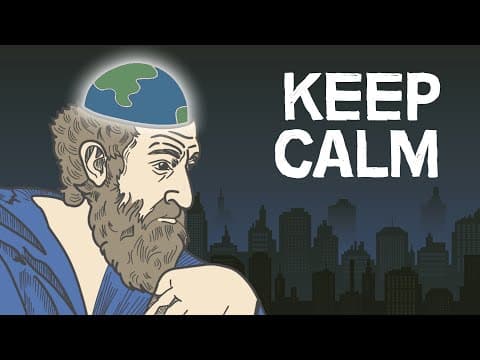
The Stoic philosopher Epictetus addressed a similar phenomenon in his time. Although mass media did not exist, information about distant events was spread through scouts and messengers. Epictetus warned against sending a cowardly scout who would perceive danger everywhere and return in panic, spreading fear and exaggeration.
He contrasted this with the example of Diogenes, a cynic philosopher who remained calm and unshaken despite being sent as a scout. Diogenes reported no immediate danger, emphasizing peace and stability.
From a Stoic viewpoint, alarmist reactions are driven by fear rather than reasoned judgment. Headlines proclaiming the fall of Europe, societal collapse, or the end of Western civilization often reflect the language of a coward rather than an accurate assessment.
Despite the negative news, it is important to remember that many positive aspects of life continue. People around the world are generally friendlier, and the overall atmosphere in many places remains peaceful.
Marcus Aurelius, a Stoic emperor, reminds us that we share this planet together and are here to love one another, not to wage war. This perspective encourages compassion and unity rather than division.
Drawing from philosophy and theology, two moral points emerge:
If one believes in a better world beyond this life, why resist those who leave this world? Why not help them transition peacefully rather than prolong suffering?
As illustrated in the Odyssey, when preparing to sacrifice someone, one must look closely and see their humanity. This recognition often stops the act, as empathy overcomes the intent to harm.
These reflections highlight the importance of empathy, compassion, and moral consideration even in difficult times.
In a world filled with division, fear, and uncertainty, Stoic philosophy offers a path to maintain calm and clarity. By recognizing the alarmist nature of much of the news, focusing on what we can control, and cultivating empathy and understanding, we can navigate these troubled times with resilience.
Stoicism encourages us to avoid panic, seek truth beyond sensationalism, and foster love and solidarity despite ideological differences. In doing so, we contribute to a more peaceful and compassionate world.
This reflection on Stoic philosophy serves as a reminder that while we cannot control external events, we can control our responses. By adopting a Stoic mindset, we can find tranquility and purpose even amid global turmoil.