This blog post explores various techniques for creating focal points in art, including contrast, isolation, placement, convergence, and the use of unusual elements. Each method is illustrated with examples to help artists enhance their work and draw viewers' attention effectively.
Creating focal points in artwork is essential for guiding the viewer's attention and enhancing the overall impact of the piece. A focal point is the area of an image that commands the viewer's attention, often serving as the subject of the artwork. In this post, we will explore several effective techniques for establishing focal points in your art.
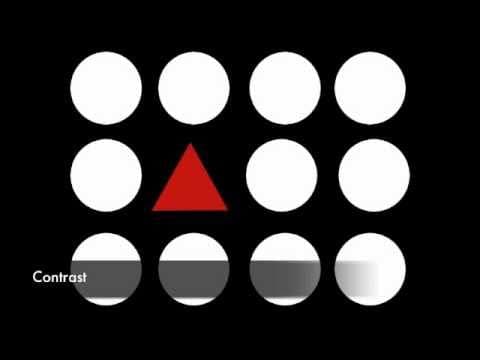
One of the most straightforward ways to create a focal point is through contrast. When an object or shape differs significantly from the surrounding elements, it naturally draws the viewer's eye. For example, consider an image featuring a red triangle amidst white circles. The stark difference in color and shape makes the red triangle the focal point, purely due to the contrast it presents against the white background.
Isolation is another powerful technique for establishing a focal point. By separating one object from the rest, it becomes the center of attention. For instance, if a cone is depicted alone, distanced from other objects, it stands out as the focal point. This method emphasizes the importance of the isolated object, making it the primary subject of interest in the artwork.
The placement of objects within the composition can also create focal points. In an artwork by RIM Brand, there are multiple focal points, but the man sitting at the table in the center of the image is particularly prominent due to his strategic placement near the center of the picture plane. This central positioning naturally draws the viewer's eye, making him one of the key focal points in the composition.
Convergence is a technique that involves arranging elements in a way that leads the viewer's gaze toward a specific point. A notable example is Mary Cassatt's painting titled "The Letter," where the focal point is the envelope held by the subject. The objects in the painting are arranged to create implied lines that converge on the envelope, effectively directing the viewer's attention to it.
Incorporating unusual elements into your artwork can also serve to create focal points. For example, if a green alien is depicted among a group of humans, the alien's presence is strikingly out of place, making it the focal point of the scene. This technique leverages the element of surprise to capture the viewer's interest.
By utilizing techniques such as contrast, isolation, placement, convergence, and the introduction of unusual elements, artists can effectively create focal points in their artwork. These methods not only enhance the visual appeal of the piece but also guide the viewer's attention to the intended subject. Experimenting with these techniques can lead to more engaging and impactful art, allowing artists to communicate their vision more clearly.
This tutorial has provided insights into the various ways to create focal points in art, helping artists to refine their skills and enhance their creative expression.