Karl Groves discusses the importance of treating accessibility issues as critical bugs rather than enhancements, emphasizing the need for prioritization in remediation efforts to mitigate risks and improve user experience. He outlines a systematic approach to assess and address accessibility issues effectively, considering user impact, repair speed, and business implications.
In a recent presentation, Karl Groves tackled the critical topic of prioritizing the remediation of accessibility issues. He emphasized that accessibility problems should not be viewed as mere enhancements but as significant bugs that require immediate attention. This blog post summarizes his key points and insights on how organizations can effectively address accessibility challenges.
Accessibility issues are often misunderstood as optional enhancements. Groves argues that these issues are, in fact, bugs that hinder the effective use of systems by users. He stresses the importance of logging these issues in tracking systems as bugs, which necessitates resource allocation for remediation.
Accessibility issues arise because systems are not perfect from the outset. Just like any other bug, they require resources to fix. Groves presents a formula for calculating the cost per defect, which includes the number of people involved, the hours needed to fix the issue, and the cost per person per hour. This calculation highlights the financial implications of neglecting accessibility issues.
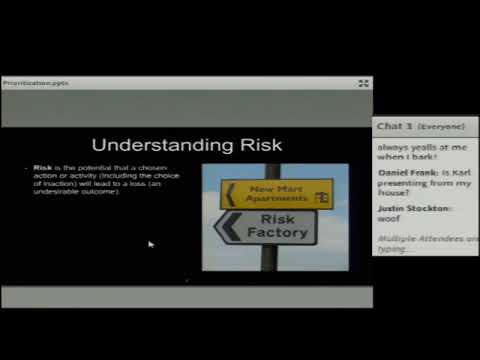
Groves discusses the concept of risk in relation to accessibility issues. He defines risk as the potential for a chosen action or inaction to lead to undesirable outcomes. Remediation of accessibility issues serves as a risk mitigation strategy. He cautions against using fear as a motivator for accessibility compliance, although he acknowledges the real risks of litigation and administrative complaints.
Groves highlights that organizations should consider their specific industry and peer companies when assessing their risk of litigation. He notes that larger organizations in sectors like online retail and education face higher risks of lawsuits related to accessibility.
To quantify risk, Groves introduces the concept of risk amount, which is calculated by multiplying the probability of a negative event by the expected loss. For example, if a company has a 10% probability of facing a lawsuit with an expected loss of $10 million, the risk amount would be $1 million. This calculation can help organizations understand the financial implications of neglecting accessibility.
Groves acknowledges that not all accessibility problems are equal. When organizations receive reports detailing accessibility violations, they often face the challenge of prioritizing which issues to address first. He criticizes the reliance on WCAG levels as the sole determinant for prioritization, arguing that they do not account for the business impact or user experience.
Groves suggests several factors to consider when prioritizing accessibility issues:
Groves outlines a systematic approach to remediation, which includes:
To measure the effectiveness of remediation efforts, Groves suggests tracking the concentration of accessibility issues over time. This involves calculating the number of bugs relative to the lines of code, allowing organizations to gauge their progress in improving accessibility.
In conclusion, prioritizing the remediation of accessibility issues is essential for creating inclusive and effective systems. By treating accessibility problems as critical bugs and employing a systematic approach to prioritize and address them, organizations can mitigate risks, improve user experience, and ultimately save time and money. Groves encourages organizations to adopt these practices to ensure that accessibility is integrated into their development processes from the outset.